
State, Squaxin Island Tribe announce tentative amendment to gaming compact
Get AI-powered insights, summaries, and transcripts
Subscribe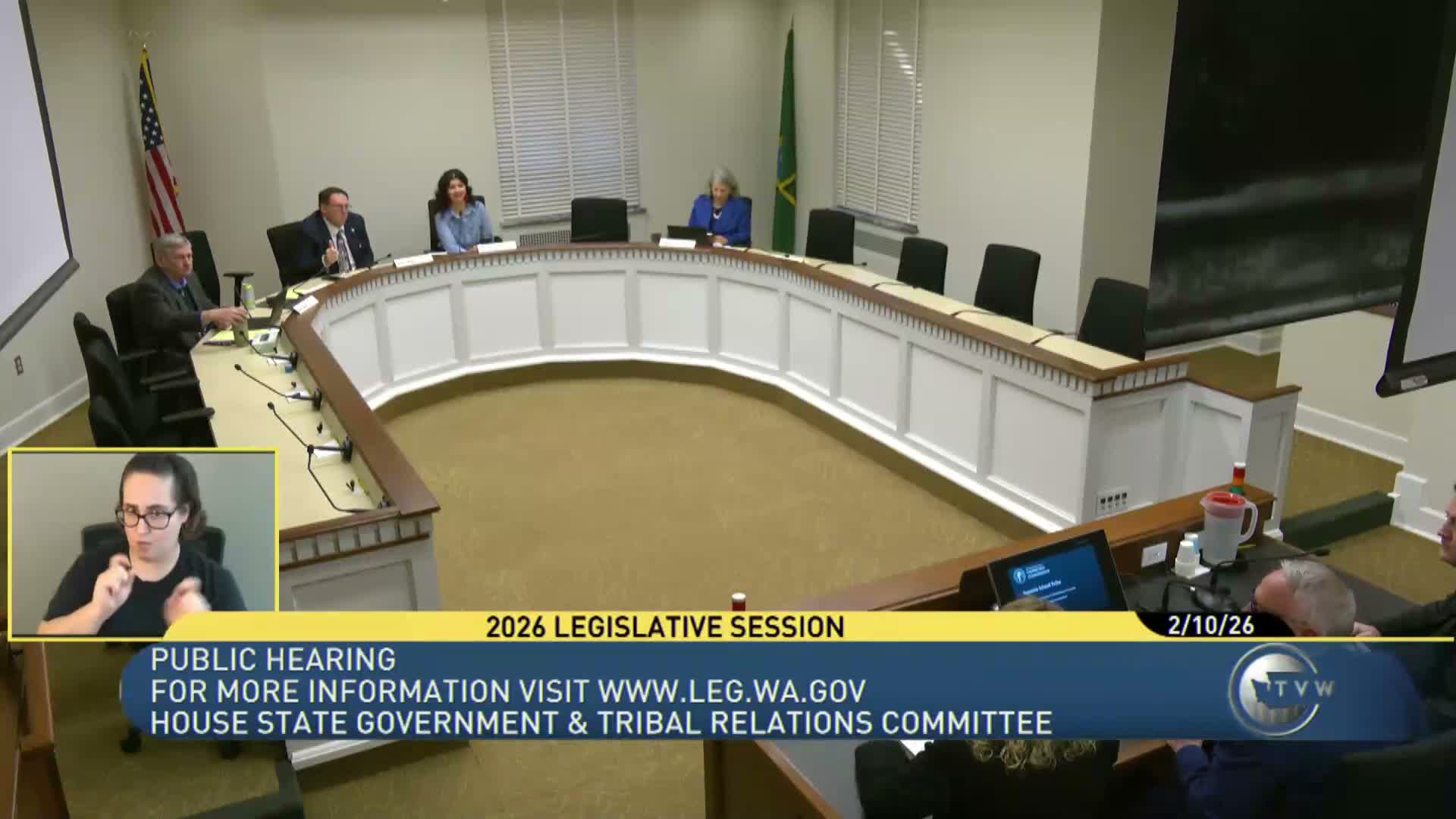
Summary
The Washington State Gambling Commission and the Squaxin Island Tribe reached a tentative amended and restated tribal–state gaming compact that would raise some wager and facility limits, add electronic table games and require tribe-level screening and responsible-gaming measures; the commission will vote at a public meeting Feb. 12.
The Washington State Gambling Commission and the Squaxin Island Tribe have reached a tentative agreement on an amended and restated tribal–state gaming compact, officials told the State Government Tribal Relations Committee.
Tina Griffin, director of the Gambling Commission, said the changes primarily reorganize and clarify the compact and incorporate several appendices into the compact proper so the document ‘‘flows together in a much more common-sense, cohesive manner.’’ The commission and the tribe announced the tentative deal during a committee hearing and said the commission will take public comment and vote at a public meeting scheduled for Thursday, Feb. 12, at 9:30 a.m.
The compact’s substantive updates include higher wager and facility ceilings and new appendices for limitations and electronic table games. Commission staff said standard wager limits for table games would be authorized up to $1,000; in certain prescreened, high-limit areas, patrons could wager up to $5,000 after screening for financial capacity and problem-gambling risk. Facility limits described by staff include authorization for up to 125 gaming stations and up to 3,000 player terminals across a tribe’s facilities. The compact would also authorize an extension of credit to qualified patrons and raise tribal-lottery wager limits.
Ray Peters, the Squaxin Island tribe’s intergovernmental affairs and tribal council liaison, told the committee the amendments ‘‘simply clarify the existing compact,’’ align the tribe’s compact with language adopted by other tribes, and create ‘‘opportunities…for employment within the community and new funding for essential governmental services like housing and health care.’’
The restated compact would add an Appendix G to permit electronic table games—electronic versions of table games—with wager limits up to $500 and a 9-to-1 ratio (up to nine electronic gaming stations per one gaming table), officials said. The package also updates the tribe’s problem-gambling and responsible-gaming commitments; staff emphasized prescreening requirements and other protections for patrons in high-limit areas.
Several committee members pressed regulators on whether higher ceilings correlate with increased problem gambling. Representative Walsh said she was ‘‘concerned about the increase in the size of the maximum wagers and the dedication to helping people with problem gambling’’ and asked whether evidence shows a causal link. Commission staff and tribal representatives said the state does not hold statewide data tying higher ceilings to increased problem gambling and noted the wager ceilings described have been authorized for other tribes since about 2018–2019. They added that the tribe is responsible for screening and implementing protections in high-limit areas.
If the commission and statutory ex officio members vote to forward the proposed amendment, Griffin said the governor would review the compact and, if approved, the tribe would submit it to the U.S. Department of the Interior for publication in the Federal Register, at which point it would become effective.
The commission will accept public comment before and at the Feb. 12 meeting, when commissioners and ex officio members will decide whether to forward the amendment to the governor or return it for further negotiations.