Get Full Government Meeting Transcripts, Videos, & Alerts Forever!
House adopts law tightening rules for 3‑D‑printed and CNC‑manufactured firearms
Summary
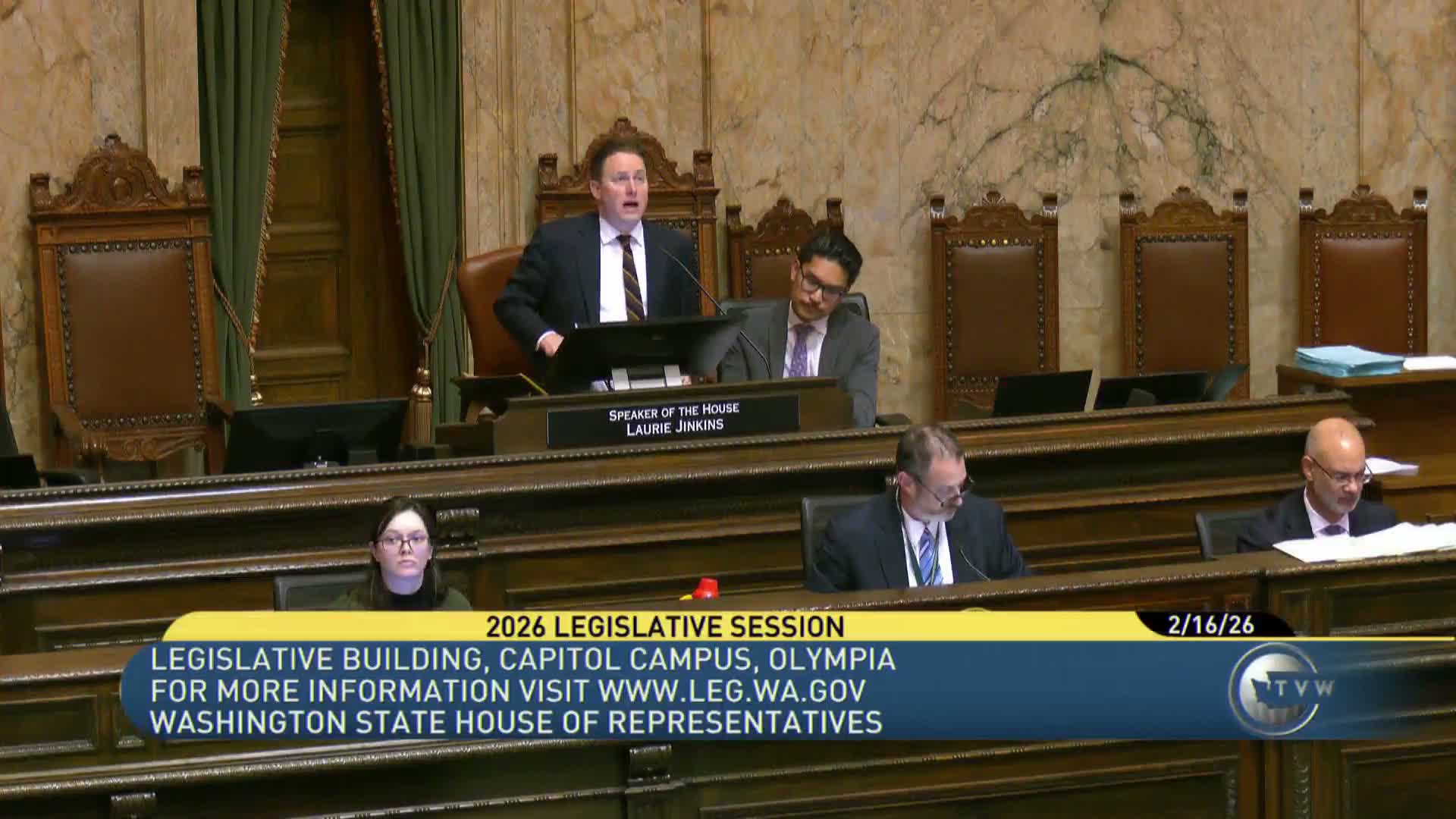
The House approved a substitute for House Bill 23‑20 aiming to close the 'ghost‑gun' loophole by regulating code and files used to produce firearms on 3‑D printers and CNC machines; debate centered on definitions and free‑speech implications. Final vote was 57–39.
Lawmakers passed a substitute to House Bill 23‑20 after extended debate over how to regulate untraceable firearms made with 3‑D printers and milling machines. Sponsors framed the bill as closing a dangerous technological loophole; opponents warned about First and Second Amendment issues and the potential to criminalize non‑criminal technical content.
"A 3‑D printer that can cost a few $100 and a downloadable digital file…
Already have an account? Log in
Subscribe to keep reading
Unlock the rest of this article — and every article on Citizen Portal.
- Unlimited articles
- AI-powered breakdowns of topics, speakers, decisions, and budgets
- Instant alerts when your location has a new meeting
- Follow topics and more locations
- 1,000 AI Insights / month, plus AI Chat