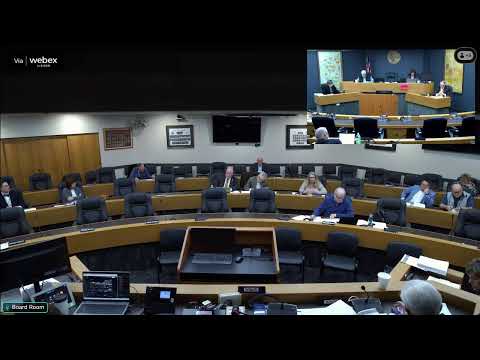
LaSalle County trustees ask for more study after legal memo urges limits on e-bikes on unpaved trails
Loading...
Summary
Trust committee reviewed an attorney memo recommending limiting any allowed e-bike use to Class 1 and asked staff to return with more legal and maintenance analysis before recommending policy to the full board. Members raised concerns about loss of immunity, horse‑user safety and enforceability.
LaSalle County’s insurance trust committee spent the meeting weighing whether to recommend allowing Class 1 electric bicycles on the county’s unpaved park trails, and agreed to postpone any policy change until attorneys and parks staff supply more research.
Jeff, who presented an eight‑page memorandum the committee had circulated, said the county’s attorney, Joyce Pollock, recommended limiting any allowance to Class 1 e‑bikes and drafting specific resolution language or rules. "If you were to allow them, you should limit the maximum speed," Jeff told the committee, and he said attorneys would need to be specific about how a rule would be written and enforced.
Ken, who identified himself as with Parks, confirmed the trails at issue are gravel/dirt, not paved. "They're basically gravel dirt paths that... nothing's paved," Ken said, noting the county maintains those corridors with graders rather than sealing or paving. Members repeatedly returned to that point when debating safety and maintenance obligations.
An attorney on the panel warned the committee that permitting e‑bikes could remove some liability protections. He argued that allowing motorized e‑bikes would make riders "intended users" and could erode immunities that the county otherwise enjoys for permissive public uses. "If you open something up to the public when you know it's a potential danger... I think it would be... I think you'd lose," the attorney said, citing a particular concern about horses being spooked on multi‑use trails.
Matthew Givens, representing Marsh McLennan Agency, summarized state guidance and said Illinois material indicates Class 1 e‑bikes are allowed on bicycle paths unless a local authority prohibits them; he quoted the state guidance that e‑bikes "may be operated upon any bicycle path unless a municipality, county, or local authority with jurisdiction prohibits using e‑bikes or a specific class of e‑bikes on the path." Committee members noted the county’s trails may not meet the statutory or common‑usage definition of a "bicycle path," and that designating them as such would create expectations for maintenance and different liability exposure.
Trust members asked specific questions about enforceability (speed limits, signage, enforcement resources) and whether allowing e‑bikes would obligate the county to inspect and maintain trails to a higher standard. Jeff and others said limits or signage do not prevent litigation and that "anybody can sue you for anything they want," though counsel would defend the county in court.
The committee did not vote on a policy change. Instead members asked staff to get further written legal opinions (including follow-up with Joyce Pollock when she returns from vacation), confirm how state park policy treats e‑bikes, gather comparative policies from other counties, and bring the item back to the parks/property committee for a recommendation to the full board. Several members emphasized that any final decision about funding or using iFiber proceeds to respond to liability issues would be a full‑board decision.
The committee’s action was procedural: no policy was adopted and no formal change to park rules was made. The committee asked staff to return with a clearer recommendation, corrected legal citations, and an implementation plan if the board later elects to permit limited e‑bike use.