Get Full Government Meeting Transcripts, Videos, & Alerts Forever!
Get email alerts on the Student Services topic
No spam. Unsubscribe anytime.
TUSD outlines student-services supports, highlights nurses and campus mental-health specialists
Summary
TUSD staff described Student Services’ role supporting the whole child — health services (credentialed nurses, LVNs and 30 health clerks), tiered mental-health supports at every campus, school social workers, and community-school family engagement to boost readiness to learn.
TUSD staff on a district panel described Student Services as the arm of the district that addresses the "whole child," including health, safety, a sense of belonging and mental health so students can be ready to learn.
"Health services encompasses all of our credentialed school nurses, as well as our LVNs," Speaker 1 said, noting the program also includes "30 health clerks that work at our various school sites." Speaker 2 added, "The nurses are kind of the silent backbone of our district." Those staff, the presenters said, support day-to-day student health needs that can otherwise keep children from participating in class.
Panelists emphasized mental-health supports were foundational to student success. "Every single campus at TUSD has a mental health specialist," Speaker 4 said, describing a tiered model of services from universal (Tier 1) supports to targeted (Tier 2–3) interventions. Speaker 3 said the team provides both individual, face-to-face services and districtwide education while also linking families to community resources.
School social workers were described as core members of school-based teams. "They're really looking at the social emotional part of the student and how they can support the student in removing the barriers," Speaker 5 said, and Speaker 6 characterized social workers as conduits who help identify concerns and plan supports when students show signs of need.
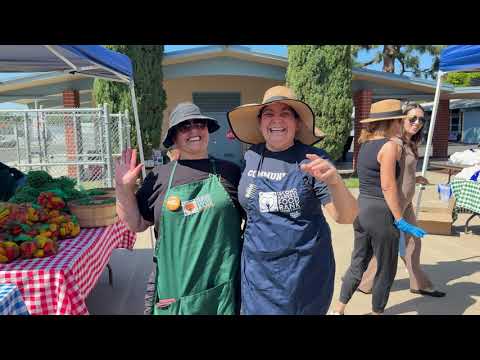
Speakers also outlined community schools as campus hubs that connect family engagement to academics and student wellness. Speaker 8 said liaisons and specialists teach families about school resources, invite participation in learning, and work to ensure families know how to support learning at home.
Panelists closed by stressing collaboration: site staff, community specialists, mental-health workers, nurses, social workers and administrative teams work together to provide supports across school sites. No formal policy action or vote was announced; the presentation summarized existing staffing and services and the district’s approach to linking family engagement, health services and mental-health supports to students’ academic readiness.