Highland Park council votes to prohibit ICE detention facilities and to oppose use of city buildings by ICE
Loading...
Summary
The Highland Park City Council on Feb. 17 approved two resolutions sending a strong local protest against federal immigration detention activity: a resolution opposing use of city buildings and face coverings by immigration enforcement passed and a separate resolution prohibiting ICE detention, holding or processing facilities on city property also passed after language was strengthened to 'prohibit.'
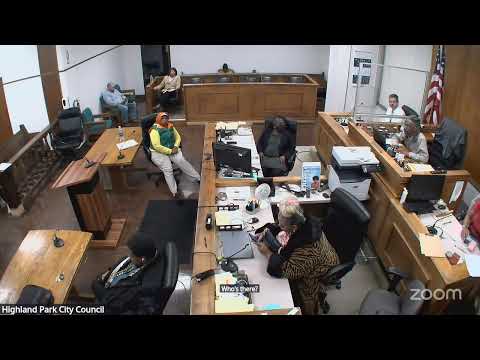
The Highland Park City Council voted Tuesday to formally oppose the use of city buildings and related face coverings by federal immigration enforcement officers and to prohibit immigration detention, holding or processing facilities on city-owned property.
The first resolution — opposing use of city buildings and face coverings by Immigration and Customs Enforcement (ICE) and Customs and Border Protection during civil immigration enforcement — was moved by Councilwoman Manuka and seconded by Councilman O’Shaughnessy and carried on a roll call vote. The chamber then debated a second walk-on resolution intended to bar detention and processing facilities from city-owned or city-controlled property. Councilwoman Manuka moved approval; council members amended language in the text to replace the word “restricted” with the stronger term “prohibited” before voting to adopt it.
State Sen. Stephanie Chang, a guest at the meeting, urged the council to act and described visiting detention sites and hearing accounts she said showed people were being denied due process and humane treatment. “What affects one community can affect all of our communities,” Chang said, urging elected leaders to stand for due process and dignity.
Council presenters defined the resolution’s covered facilities broadly to include any structure used for confinement, temporary holding, processing, intake, transfer, staging, or administrative operations related to immigration enforcement. The text also preserved narrow exemptions for existing police or juvenile facilities when used pursuant to state law.
Residents attending the meeting gave repeated public testimony urging rapid action after multiple attendees said they had observed ICE activity in the city earlier that day. Josh Mack, a longtime Highland Park resident, told the council the work would only be a first step: “Even if this resolution passes, we have a tremendous amount of work ahead,” he said.
Both resolutions, as adopted, direct city staff to take steps available under local land‑use, zoning and contracting authorities ‘‘to the fullest extent permitted by law’’ and to prepare any ordinance or zoning amendments necessary to implement the policy.
The council president said legal staff had reviewed the detention-facility resolution earlier in the day. The motions carried; the council recorded the votes in the meeting minutes.
The council did not — and cannot by ordinance — bind federal agencies from transiting Highland Park but the adopted measures commit the city to use local regulatory levers to refuse city property, leases and intergovernmental cooperation that would support detention operations. The council chair said the measures would be distributed to the mayor and clerk and made available on the city website.