Get Full Government Meeting Transcripts, Videos, & Alerts Forever!
Get email alerts on the Reproductive Health topic
No spam. Unsubscribe anytime.
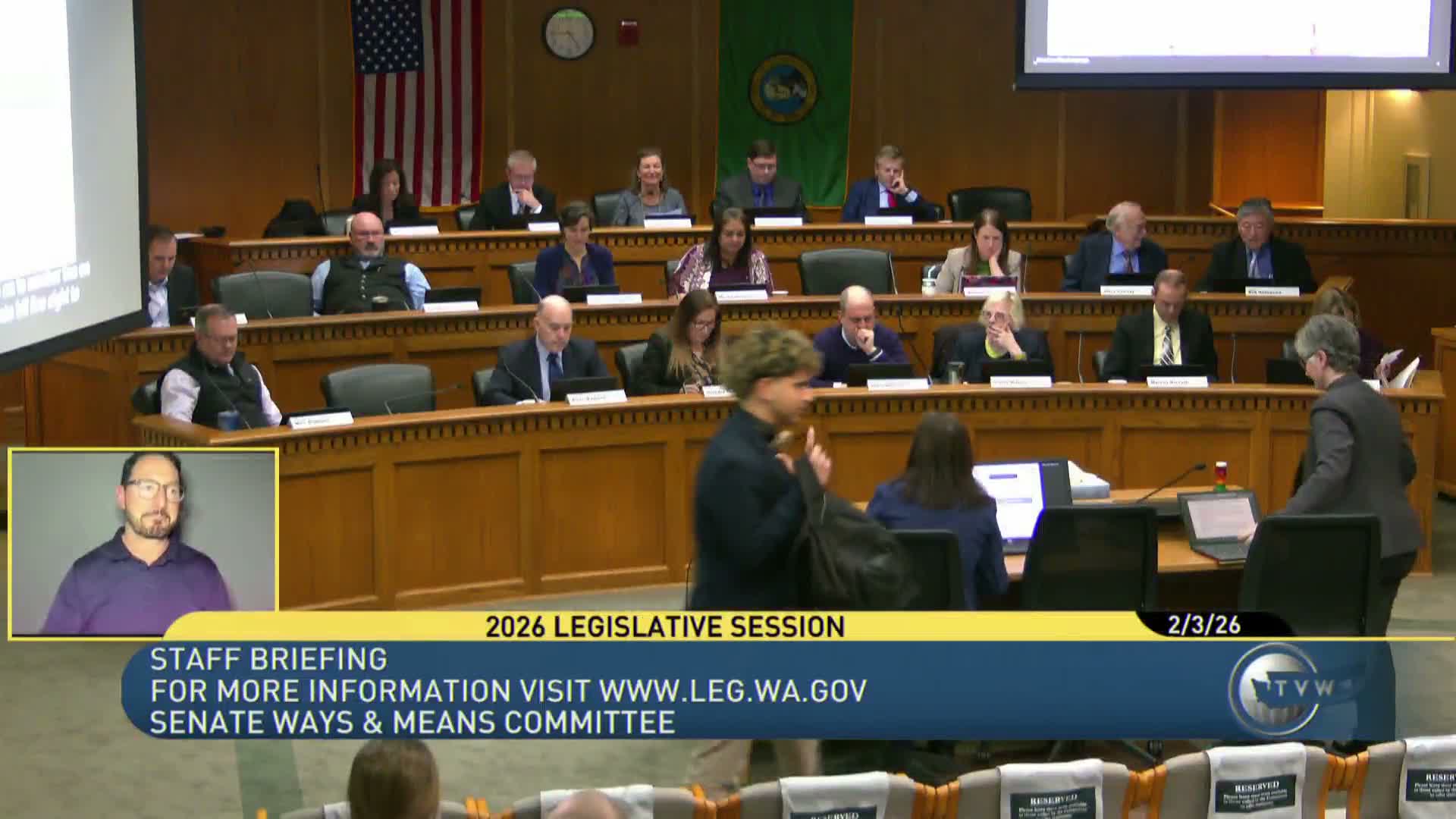
Committee hears passionate testimony on bill to expand medication abortion access at public colleges
Summary
Senate Bill 5,826 would require public college student health centers to offer access to medication abortion by the 2027–28 academic year; the hearing drew wide and emotional testimony from survivors, student organizers, health advocates and faith groups with arguments on safety, equity, cost and conscience.
Senate Bill 5,826 would require by the start of the 2027–28 academic year that student health centers at public institutions of higher education offer access to medication abortion through a public program, a formal agreement with a safety‑net provider, or other available methods; institutions without student health centers must provide information and referrals and train staff on public resources.
Committee staff described the bill’s implementation estimates and fiscal notes, including an estimated $782,000 NGFO for the 2027 biennium and approximately $1.7 million over four years; community and technical colleges would incur many of the recurring costs for staffing and telehealth infrastructure.
Public testimony was extensive and sharply divided. Survivors and anti‑abortion advocates, including Tina Gregory, described moral opposition and personal testimony about regret after abortion; faith leaders framed the bill as morally objectionable. Several witnesses asked senators to prioritize alternatives such as abstinence, adoption support and parental or pregnancy supports.
Advocates, student organizers and campus health proponents testified in favor. Haley Gray (Advocates for Youth) said medication abortion is safe and efficient, noting telehealth infrastructure in Washington and proposing implementation amendments to clarify staffing and referral practices. Charley Brenner, an original student organizer, asked for language clarifying referral directories and at least one designated staff member to assist students. Tamara Marzouk (Advocates for Youth) and others cited low implementation costs reported by other campuses and offered training resources.
Opponents cited safety and fiscal concerns. Mary Long (Conservative Ladies of Washington) and Teresa Schrampp (retired attorney) challenged the bill’s premise about access barriers, questioned complication rates, and objected to the use of state funds for the service.
The committee closed the public hearing on SB 5,826 and moved into executive session to consider other bills.