Lifetime Citizen Portal Access — AI Briefings, Alerts & Unlimited Follows
Committee debates wildfire, landowner and eminent‑domain language in transmission authority bill (SB 5,466)
Loading...
Summary
Senators debated amendments to the bill creating a state transmission authority (WIDA) focused on wildfire mitigation, consultation with private forest and agricultural landowners, and limiting eminent domain; several amendments failed and the bill's second proposed substitute was advanced.
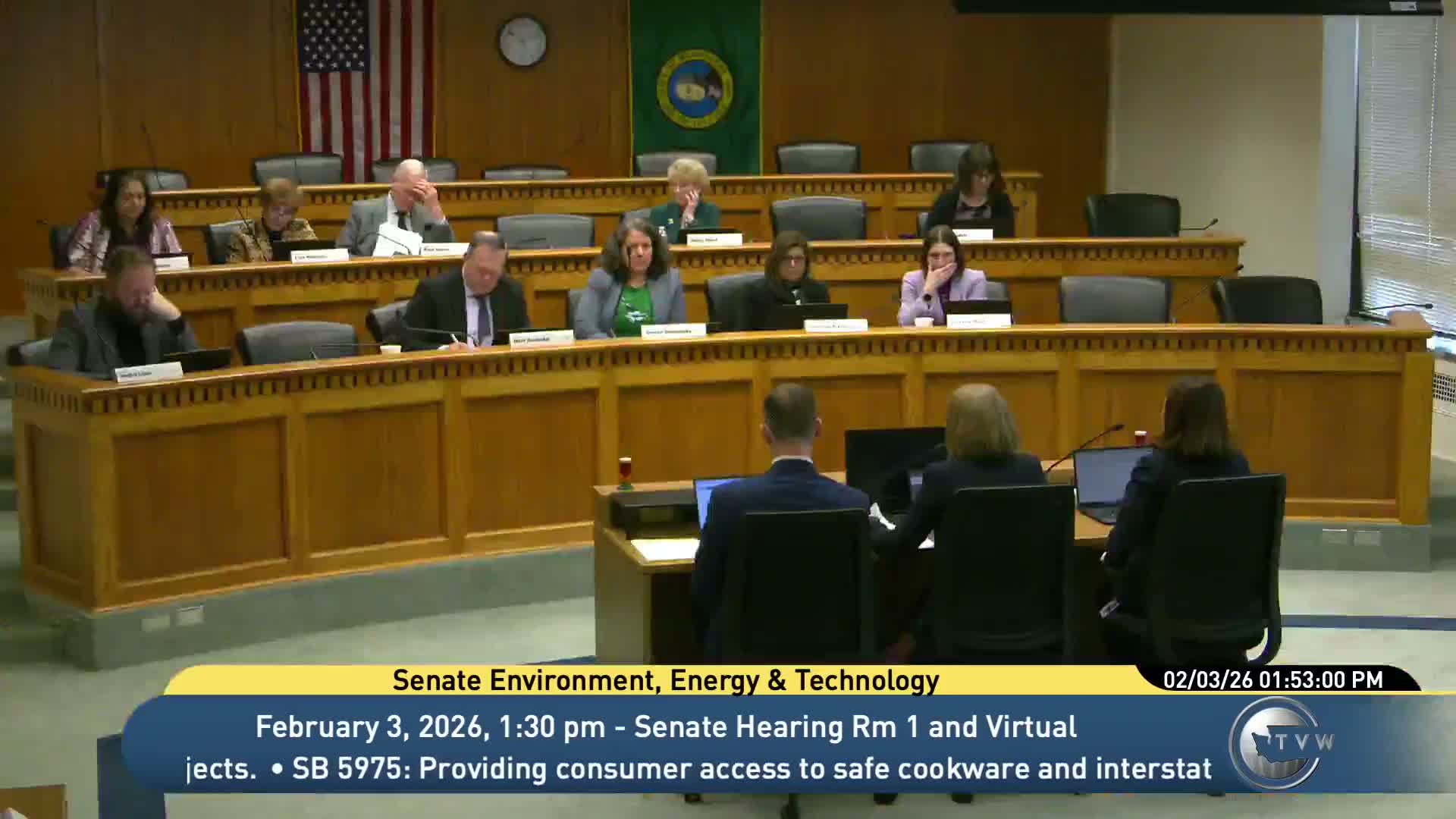
Senate Bill 5,466, described in committee as creating the Washington Electric Transmission Authority (referred to in the transcript as WIDA or 'Bridal'), drew focused debate on multiple floor amendments (M1–M5). The bill would authorize a statewide body to coordinate transmission planning, seek the maximum use of existing rights‑of‑way, and provide conduit financing in partnership with other state entities.
Amendment M1 (Senator Short) would add wildfire as an extreme weather event in the bill's intent language and add a non‑voting advisory board member; Senator Short said that wildfire mitigation and protecting landowners are central concerns. Amendment M2 (Senator Behnke in transcript) would change the process for identifying high‑priority transmission corridors to rely on Westech's 10‑year transmission needs study or, if not identified there, allow Commerce to contract independent expert analysis. Amendment M3 would require a formal mechanism to consult with private forest and agricultural landowners where corridors may be located to minimize impacts and wildfire risk. Amendment M4 would limit eminent domain to a last resort after negotiated agreements. Amendment M5 added a presumption of negligence for transmission owners or operators in civil lawsuits seeking recovery for wildfires caused by transmission infrastructure when eminent domain is used on private forest or agricultural lands.
Senator Short repeatedly urged adoption of wildfire‑mitigation, consultation and eminent‑domain‑limiting language, arguing these provisions protect landowners and mitigate risk. Other members and the chair asked for more stakeholder conversations and raised concerns about creating new processes or the fiscal impacts of certain language; several amendments failed on voice votes. The transcript shows the committee ultimately moved that the proposed second substitute receive a due‑pass recommendation and sent the bill to Ways & Means, with the note that it was "passed subject to signatures." Sponsors and members said further stakeholder discussions would continue before final action.
Implementation notes: the bill includes reporting dates to the governor and legislature, requirements for tribal notification and survey timelines, and conditions clarifying that WIDA cannot create state debt unless otherwise authorized by law. Several provisions reference coordination with the Washington Economic Development Finance Authority for conduit financing and apply specified labor requirements when construction proceeds.