
0 Waste Marin outlines SB 1383 duties, schools program and county outreach
Get AI-powered insights, summaries, and transcripts
Subscribe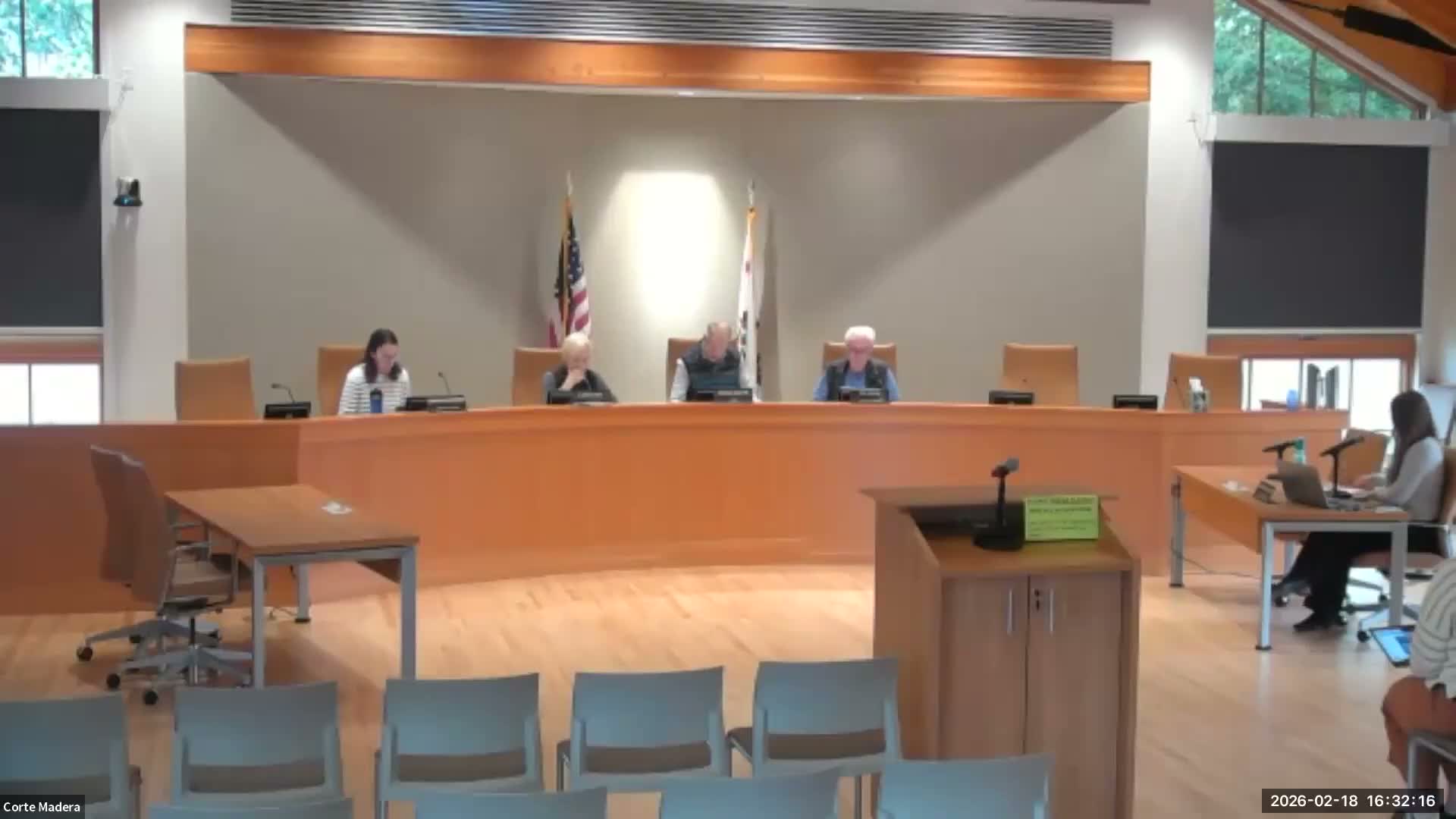
Summary
Casey Fritz of 0 Waste Marin told the Corte Madera committee that the countywide JPA enforces California waste laws (including SB 1383), runs a decade‑old schools program that has prevented nearly 18,000 tons of greenhouse‑gas emissions, and coordinates household hazardous‑waste collection and outreach.
Casey Fritz, program manager at 0 Waste Marin, told the Corte Madera Town Climate Action Committee on Feb. 18 that the joint powers authority was founded in 1996 to implement California waste laws across Marin County and to reduce confusion where multiple private haulers operate.
Fritz said 0 Waste Marin oversees annual reporting to CalRecycle, maintains a shared SMART database that cities, towns and haulers use to log outreach and compliance activity, and provides technical assistance to businesses and multifamily properties to help them meet state requirements. "We are a joint powers authority," she said, "and we try to help, iron some of that out for people."
The agency runs a schools program that began in 2015 and now serves roughly 45 public schools. Fritz said the program’s strategy is to start with elementary schools, then middle schools, and eventually high schools, using a nonprofit contractor to provide on‑site education and colored sorting infrastructure where needed. "To date in our 10‑year program, we have saved nearly 18,000 tons of greenhouse gas emissions," she said, then offered equivalencies to help residents picture the impact.
On household hazardous waste, Fritz described a bulb and battery collection network (about 10 sites including participating hardware stores and markets), toxic‑away days in West Marin, and the San Rafael HHW facility, which is funded and managed by 0 Waste Marin under a contract with Marin Sanitary Service. She also described pilot marine‑flare collection events funded by the state for yacht‑harbor disposal.
Fritz reviewed recycling and compost rules: metal cans and single‑use glass belong in recycling; tempered glass such as windows and Pyrex does not; plastic recyclability is driven more by shape (bottles, jugs, tubs) than by resin codes; and all food scraps (including bones and eggshells) and soiled unlined paper should go in the green bin for composting. She warned that compostable plastics and many bioplastics are not accepted at the county's certified‑organic compost facility; accepting them would risk losing certification and they frequently fail to break down.
Fritz also summarized SB 1383 (the Short‑Lived Climate Pollutants Reduction Act), noting it requires organic material diversion, access to compost service for residents and multifamily sites, annual education and color coding; she said enforcement of SB 1383 became active on Jan. 1, 2024. When asked about compliance, she pointed committee members to the SMART database and cited a recent countywide landfill characterization study (posted on 0 Waste Marin’s website) showing roughly 24–26% of landfill samples contained food waste.
The committee expressed interest in collaborating with 0 Waste Marin’s outreach materials and student projects at Redwood High School. Chair Curtis said staff would circulate Fritz’s slides to committee members.
The meeting record shows the committee approved the Jan. 21, 2026 minutes earlier in the session, subject to a correction about a member listing.