DCYF proposes licensing modernization: weighted‑risk system, abbreviated inspections and new provider notices
Loading...
Summary
DCYF presented a proposed rewrite of childcare licensing standards that would adopt a weighted‑risk sanctioning system, abbreviated inspections for low‑risk programs, daily classroom attendance requirements, transparency notices (radon, animals, image sharing) and changes to staff and director qualifications with a targeted implementation window through mid‑2027.
The Department of Children, Youth and Families presented a broad package of proposed changes to childcare licensing designed to simplify standards, align sanctions to risk, and increase transparency to families.
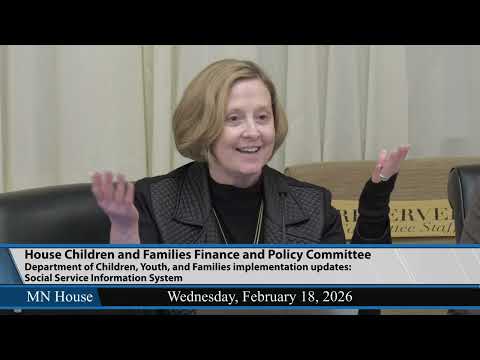
Inspector General (licensing lead) told the committee the modernization has three core parts: a weighted‑risk system to correlate licensing violations to sanctions; an abbreviated inspection track for programs with strong compliance histories; and reorganized licensing standards with clearer family notices. He said more than 2,000 people participated in rule‑development outreach, producing an updated report and draft legislation for committee review.
Key proposed changes include daily classroom attendance records for all programs (not only those participating in funded programs), clearer notices for radon testing and animals on premises, strengthened rules around food‑allergy management and fire‑hazard inspections every five years, simplified and reduced staff qualification requirements (compensated by higher director qualifications and new initial training), and changes to variance authority to standardize statewide application.
Public testimony from family‑provider Cindy Cunningham and Claire Sanford of the Minnesota Child Care Association urged quick enactment and careful calibration. Cunningham highlighted a drop in family childcare providers (from 7,400 in 2019 to 5,400 today) and urged attention to tax and support disparities between family providers and centers. Sanford warned the current licensing record system has contributed to insurance market impacts for providers and urged DCYF to accelerate the weighted‑risk system where possible.
Implementation: DCYF told the committee it would like to allow at least a year for training and guidance after legislative or rule changes and recommended July 2027 as the earliest effective date for new standards, while acknowledging some weighted‑risk components could be deployed earlier if the technology is ready.
What’s next: Committee members asked DCYF to provide additional data on outcomes from the "early and often" program and to follow up on technical questions such as the origin of a 20‑minute infant check requirement; DCYF agreed to return with more details.