Get Full Government Meeting Transcripts, Videos, & Alerts Forever!
Panel advances statewide school-finance oversight bill with audit requirements and public reporting
Summary
House Bill 1164 would create a statewide fiscal monitoring system, require annual audits or third-party audits submitted to the Department of Audits, public posting of financial-condition statements, a four-tier risk designation for districts, and nonvoting DOA and state-charter representatives on a state-board audit committee; the committee advanced the bill by voice vote.
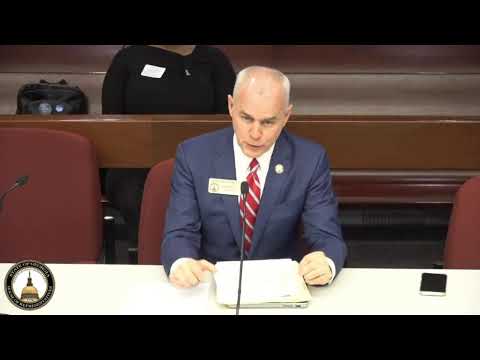
Floor Leader Wade (identified in the transcript) presented House Bill 1164 (LC492695S), describing it as a framework to strengthen financial oversight in local school systems. Wade said the bill creates a statewide fiscal monitoring/intervention system, requires annual audits or an approved third-party audit submitted to the Department of Audits and Accounts (DOA), establishes a four-tier risk matrix (fiscally sound, moderate, high, critical), and requires public posting of audits and financial reports.
Wade em…
Already have an account? Log in
Subscribe to keep reading
Unlock the rest of this article — and every article on Citizen Portal.
- Unlimited articles
- AI-powered breakdowns of topics, speakers, decisions, and budgets
- Instant alerts when your location has a new meeting
- Follow topics and more locations
- 1,000 AI Insights / month, plus AI Chat