
DVS highlights Unite Us referral network, public resource directory and homelessness funding uncertainty
Get AI-powered insights, summaries, and transcripts
Subscribe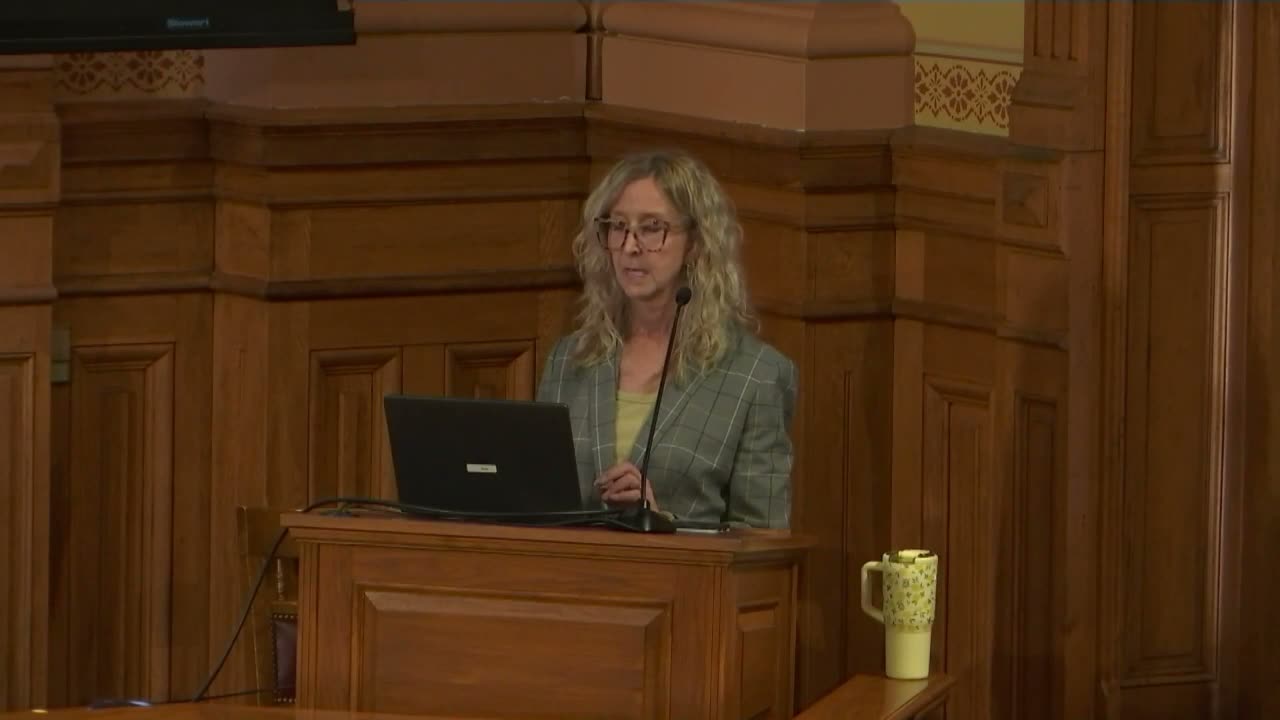
Summary
At a joint hearing Commissioner Trish Ross highlighted the department’s Unite Us closed‑loop referral platform and public resource directory as central tools to connect veterans to services; she said passthrough and nonprofit funding has declined and that the department can route constituents to vetted partners and a general inbox for assistance.
Commissioner Trish Ross used a joint Defense & Veterans Affairs hearing to outline how the Georgia Department of Veterans Service connects veterans to community resources and to answer lawmakers’ questions about funding for local nonprofits and homelessness work.
Ross described a closed‑loop referral system (Unite Us) and a public resource directory that allow veteran service officers and appeals officers to refer clients to more than 800 partner organizations statewide. She said the system reduces referral acceptance to an average of 1.6 days and partner response to about 6.4 days, and that the department has recorded more than 18,000 touch points and fully outreached about 5,000 veterans through the platform.
Lawmakers pressed Ross about the transparency and stability of nonprofit providers and funding. Ross explained that federal grants have strict reporting requirements (supportive services for veteran families, Veterans Administration grants, Department of Labor programs) and suggested members can review federal grant pages and nonprofit IRS Form 990 filings to confirm funding and spending. She acknowledged that philanthropic and grant funds for many veteran nonprofits have declined since the peak of recent overseas operations.
On homelessness funding, Ross said money that was transferred into the department’s budget to address veteran homelessness would be used if it remains in the final appropriations; she cautioned that the budget process (conference and amended budgets) could change where funds ultimately are placed.
For constituent assistance, Ross gave a departmental contact and explained the best ways for legislators to refer veterans: the department maintains a general inbox (gavetservice.svc@ga.gov) that routes requests to a team able to respond quickly, and the public resource directory and QR code on the department website provide self‑service access.
Why this matters: Legislators and local veteran organizations seeking to link constituents with services need reliable, up‑to‑date referral lists and clear routes for constituent requests; the department emphasized verification tools and a central inbox to triage requests promptly.
Next steps: Ross said the department will provide updated state benefits booklets, continue to expand the public directory, and coordinate with local partners (technical colleges, hospitals) to support staffing and service delivery in proposed new homes and outreach events.