Get Full Government Meeting Transcripts, Videos, & Alerts Forever!
Get email alerts on the Veterans Housing topic
No spam. Unsubscribe anytime.
Georgia veterans homes need tens of millions for renovations; agency argues new-build match would add capacity
Summary
Commissioner Trish Ross told legislators that renovating legacy veterans homes would cost roughly $45 million and yield a modest bed increase, while a new 120‑bed facility would require a state match of about $35 million (federal match ~65%) and provide more capacity and a self‑sustaining model.
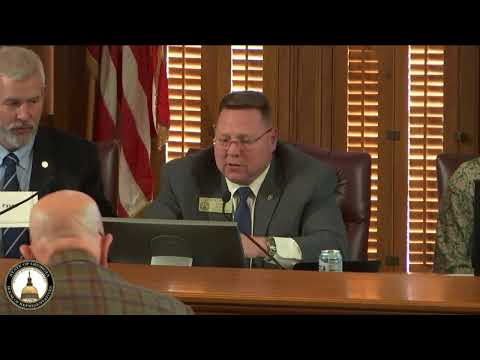
Commissioner Trish Ross told a joint meeting of the Defense & Veterans Affairs committees that Georgia’s war veterans homes face major renovation needs and that building new, VA‑matched facilities may offer greater capacity and better long‑term fiscal outcomes.
Ross said renovating legacy buildings on the Milledgeville and Augusta campuses would require about $45 million to bring facilities up to contemporary standards and ADA compliance. She estimated one renovation scenario (Vincent Building) would cost roughly $7 million to convert to single‑occupancy rooms and that finishing the Wood Building would cost a little over $3 million.
By contrast, Ross presented an architectural estimate for a new 120‑bed facility priced at about $100 million, with the VA covering roughly 65% of construction and the state responsible for a 35% match—about $35 million. She argued that a new‑build model would be self‑sustaining under VA reimbursement rules and would add far more beds (120) than renovating legacy buildings (net gain ~63 beds in Ross’s scenario).
The department’s rationale leans on occupancy and reimbursement mechanics: Ross said the agency is funded for 185 beds at Milledgeville but currently has net census near 169 because renovation and room‑conversion work reduced capacity. She said VA reimbursement for resident care is higher when occupancy approaches 90% and that a modern facility, supported by a VA match, would not compound state operating costs the way older, state‑funded facilities do.
Ross laid out timing risks: to be competitive for a VA matching grant, the state must have the match in place by January and submit required materials by an April 15 application cycle she cited. She said the VA recently expanded national cemetery and capital funding, creating windows of opportunity for states that can meet VA deadlines.
On site selection, Ross described Albany (Southwest Georgia) as a promising location with local partnerships—county land offers and ties to nursing‑education programs at local technical colleges and Phoebe Putney Hospital—and cited a 2022 legislative study that recommended new homes targeted to North, South and metro Georgia.
Why this matters: Ross told lawmakers Georgia has a current shortfall of roughly 1,500 skilled‑nursing beds for veterans and that careful decisions now about renovation vs. new construction will affect capacity, state operating costs and the department’s ability to leverage federal funds.
Next steps: Ross said the department has requested renovation funding in capital outlay/bond cycles (FY28 submission) and will pursue the VA matching cycle if the legislature can provide a state match (or bond authority). She asked members to consider bond or appropriation strategies to secure federal matching dollars.
Direct quote: "If we build a new facility, it's $35,000,000 in state funding because it's a 35% match...The VA would put up $65,000,000 and that would be self sustaining," Ross said.