Philadelphia Council approves temporary moratorium on commercial dog breeding
Loading...
Summary
Philadelphia City Council passed ordinance 250989, a temporary moratorium on the commercial breeding and transfer of puppies, after extensive public testimony from animal-welfare volunteers, breeders and shelter advocates; the bill passed unanimously, 15-0.
Philadelphia City Council voted unanimously on Thursday to pass ordinance 250989, imposing a temporary moratorium on the breeding and transfer of puppies under specified terms and conditions. The bill was read for final passage and approved by a roll-call vote of 15–0.
Supporters who testified during public comment said the moratorium is meant to curb unregulated “backyard” breeding and ease overcrowding at municipal shelters. Penny Ellison, who identified herself as an animal-law instructor and a longtime member of the state Dog Law Advisory Board, told council that the moratorium and subsequent workgroups can be sequential and that a short pause on commercial breeding will buy time to design workable regulations. “Pass the moratorium, and then if you want to have a working group, we can do that then,” Ellison said.
Opponents including Charlie Hall, representing responsible breeders and the American Kennel Club, urged council to table the bill and convene a stakeholder group first. Hall argued that state kennel licensing thresholds and Philadelphia zoning rules complicate practical compliance and warned that the bill could have unintended consequences for small home-based breeders.
Several volunteers and staff from ACT Philly described shelters operating beyond capacity and the costs and risks associated with animals arriving from unregulated breeders, including disease outbreaks and emergency veterinary expenses. “If the city cannot mobilize existing zone compliant space to expand life‑saving infrastructure, the least the city can do is support bill 250989,” said public commenter Sammy Craven.
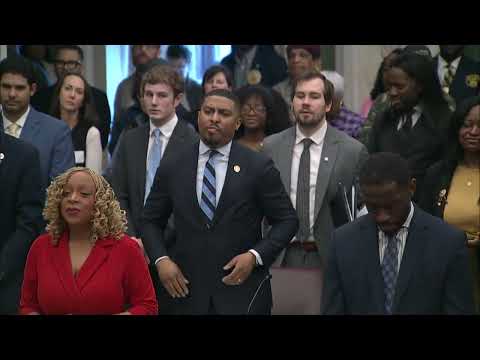
The clerk read the title of the ordinance at the council dais and conducted a roll-call vote; the chair announced, “The ayes are 15 and the nays are 0,” and declared the bill passed. The bill had been read on two different days before final passage.
What happens next: The clerk recorded the passage; the ordinance will follow the city’s normal codification and implementation procedures. The transcript and the chief clerk’s office are the official record of the action taken by council.
"We do not have enough laws that protect our animals," testified content creator Rachel Handis during public comment; council members who supported the bill framed it as an immediate step to protect animals while more detailed policy work continues.