Get Full Government Meeting Transcripts, Videos, & Alerts Forever!
Get email alerts on the Election Integrity topic
No spam. Unsubscribe anytime.
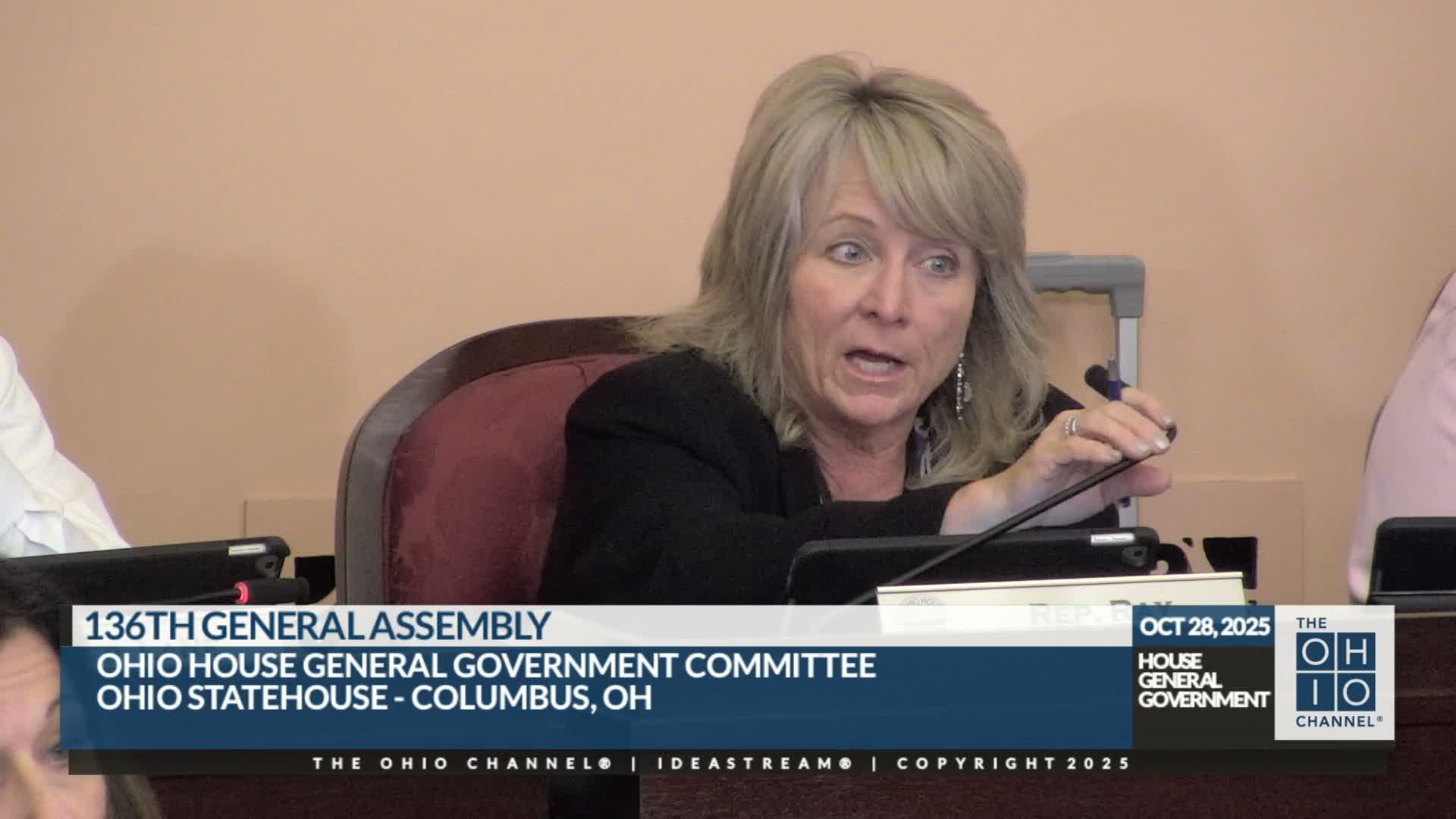
Heated second hearing on SB 4: proponents cite consistency and reporting; opponents warn of overreach and forum shopping
Summary
Proponents urged codifying an Election Integrity Unit with reporting and a referral pathway to prosecutors; opponents including county prosecutors, the League of Women Voters and local residents argued SB 4 lowers evidentiary standards, centralizes power in partisan statewide offices, risks 'forum shopping' by transferring declined cases to the Attorney General, and could chill voters and volunteers.
Chair Ray called Senate Bill 4 for a second hearing. Beau Uton (FGA Action) and Chad Ennis (Honest Election Project Action) testified in support, saying SB 4 would codify an election integrity unit in the Secretary of State's office, require review of citizen complaints, and produce annual reports on investigations and outcomes. Proponents characterized the unit as a continuity measure so election oversight would not depend on who holds statewide office.
Chad Ennis described the bill’s prosecution pathway: the unit would refer alleged violations to local prosecutors with a one‑year window for action; if a local prosecutor declines or fails to act, the referral could go to the Attorney General. Ennis said some referral patterns and resource constraints justified a back‑up mechanism and pointed to Florida and Kentucky as examples that have produced convictions and civil fines.
Opponents included county prosecutors (represented by Lewis Tobin), the League of Women Voters (Jen Miller), and several residents. County prosecutors warned the bill’s evidentiary standard (prima facie) is too low for charging decisions and said allowing the Attorney General to overturn local charging decisions risks forum shopping and undermines locally elected prosecutors. The League of Women Voters and other witnesses said centralizing investigative authority in partisan statewide offices could be used politically against opponents and urged bipartisan approaches such as commissions or clearer procedural safeguards.
Committee members probed safeguards against weaponization, whether the bill duplicates budgeted functions, what types of election misconduct the unit should investigate (voter-roll accuracy versus voter intimidation or campaign finance), and whether public reporting could expose individuals before allegations are resolved. Proponents acknowledged some overlap with budgeted provisions and said codification ensures permanence; opponents called for stricter evidentiary and procedural guardrails.
What happens next: no committee vote occurred; proponents and opponents left open the possibility of amendments to clarify evidentiary standards, timelines, and reporting requirements.