Martinsville reviews final draft chapters of comprehensive plan, emphasizes housing, safety and infill
Loading...
Summary
Consultants presented final draft chapters on housing, transportation and future land use; data showed long-term housing loss, 20% vacancy and a need for 'missing-middle' housing. Council and planning commissioners endorsed goals and asked staff to return with edits before a spring public open house and VDOT review.
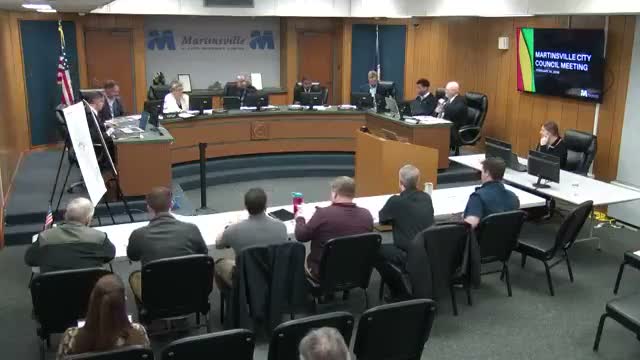
Consultants from the Berkeley Group presented the final three draft chapters of Martinsville's comprehensive plan on Monday, framing a roadmap for housing, transportation and future land use that the city will bring to public hearings this spring.
Caroline Van Terve, the project lead, told the joint session of council and the planning commission that Martinsville's housing stock has declined gradually over the last 20 years while vacancy rates have risen to about 20%. "Over half of the city's housing is around 70 years old," she said, noting that aging housing increases maintenance burdens and can create health and safety issues for residents and neighbors.
The draft housing goal calls for preserving and revitalizing existing housing while expanding safe, affordable options. Consultants highlighted missing-middle housing typessuch as townhomes and small multifamily buildingsthat currently require conditional council approval and cannot be built by right in many residential zones. "If you can't build missing-middle by right, that's creating barriers to development and affordability," Van Terve said.
Council members and planning commissioners generally agreed with the goals and objectives but pressed staff on how zoning and incentives would translate into affordability. Consultants recommended tools including adaptive reuse of former industrial properties, targeted ordinance amendments and incentive systems (density bonuses tied to public benefits). The Berkeley Group said voluntary developer commitments, state tax credits and grant programs are common mechanisms to secure affordable units, but emphasized the city cannot force voluntary offers from private developers.
On transportation, Stephanie Mathena presented crash and traffic data that officials said align with public feedback. Between 2020 and 2024 the city recorded just over 1,200 crashes, including four fatal crashes (one involving a pedestrian). Survey respondents prioritized basic road maintenance (76%) over new corridors, the presentation said. The transportation chapter sets three objectives: enhance road condition and function, expand alternatives (walking, cycling and on-demand transit), and improve safety and operational efficiency. Consultants noted that many federal and state grant programs require pre-applicant studies and VDOT coordination.
The draft future land use map focuses growth where infrastructure exists (Uptown, Commonwealth Boulevard and nearby corridors) and supports mixed-use and infill development while preserving tree canopy and open space. Staff requested written comments from council or planning commissioners by Feb. 24 and said a public open house will be scheduled in spring, prior to formal public hearings and the VDOT consistency review required by state law.
Next steps include compiling a full draft that incorporates the work session feedback, publishing it for public review in late March or April, and a final joint review work session before advertising the plan for public hearings. The city will also identify implementation partners and consider how to align zoning ordinance changes with the plan's vision.
The council did not take formal action on the plan during the session; staff said they will return with an edited draft for additional review before public hearings.