Get Full Government Meeting Transcripts, Videos, & Alerts Forever!
Get email alerts on the Consumer Protection topic
No spam. Unsubscribe anytime.
Ohio bill targets deceptive online ticket resellers, seeks clearer disclosures
Summary
Representative Heiner told the House Technology and Innovation Committee that House Bill 563 would ban deceptive online ticket-resale practices that mimic official sellers, require platforms to disclose whether they are the official vendor, prohibit selling the same ticket more than once, and require upfront fees and refund policies.
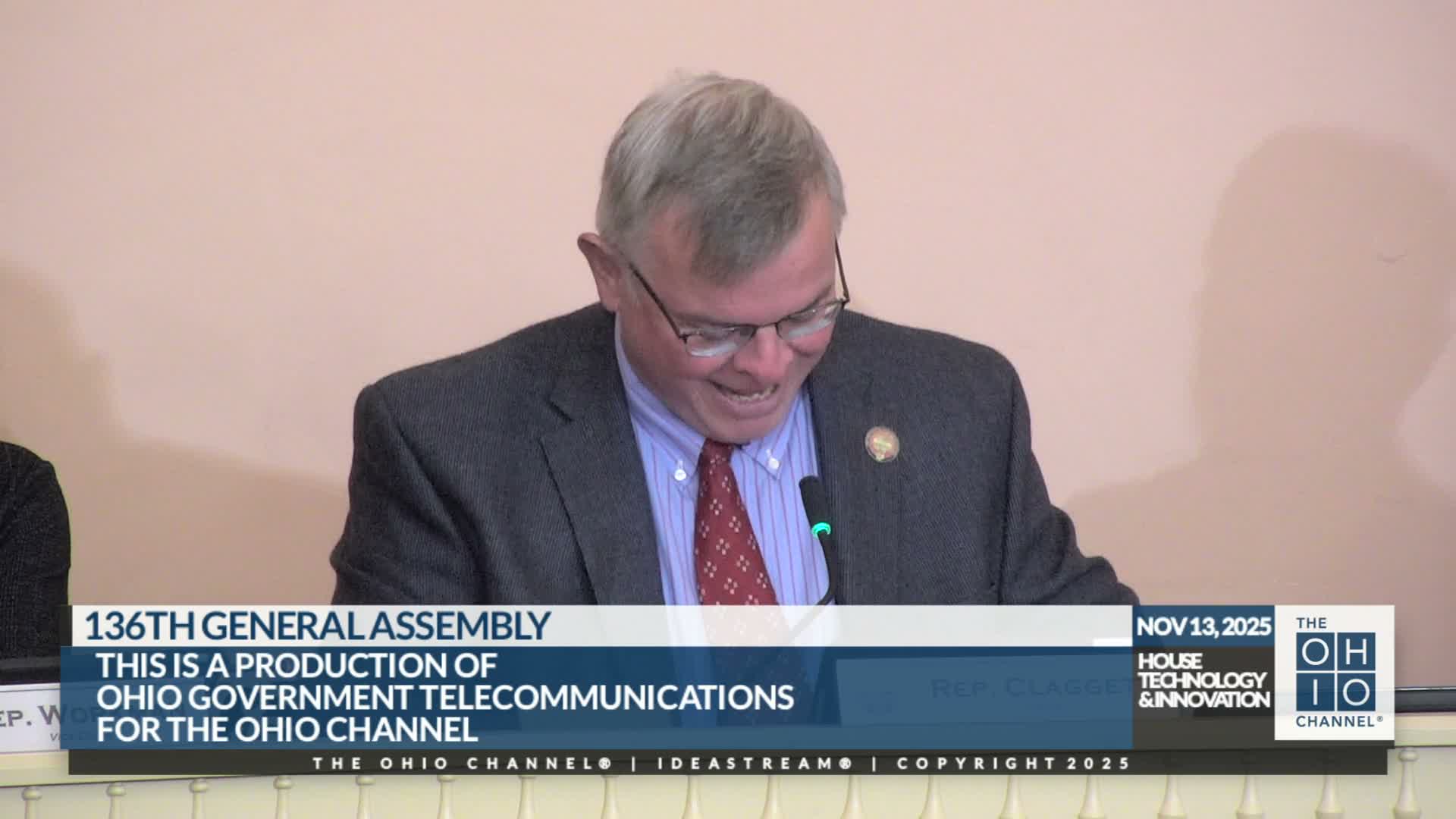
Representative Heiner introduced House Bill 563 to the House Technology and Innovation Committee and told members the measure would target deceptive third-party ticket resellers that impersonate venues, artists or official platforms.
Heiner said the bill "prevents third party sites from using words, images, trademarks, or web designs that mirror or significantly resemble those of official sellers," and requires resellers to disclose whether they are the official seller and to display refund policies and fees up front.
Heiner framed the proposal as consumer protection for Ohioans who buy tickets online, saying deceptive sites can charge steep markups and sometimes sell tickets they do not own, leaving consumers out of pocket and venues managing frustrated patrons.
Committee members pressed on the bill’s scope and enforcement. Chair Clagett asked why the legislation focuses on tickets when mirroring scams affect many online retailers; Heiner acknowledged the broader problem but said the sponsor chose to start with ticketing to keep the effort focused. Clagett also suggested pursuing financial traces to reach bad actors, noting banks or payment processors may be the strongest link to overseas operators.
Representative Cockley asked whether other states have enacted similar laws and whether major platforms such as Ticketmaster had weighed in; Heiner said he had not received a direct response from Ticketmaster but expected comments as the bill is refined.
Cockley also raised a consumer-flexibility concern about a provision that would bar reselling the same ticket more than once, asking whether that limit could unfairly penalize ordinary buyers who need to resell for reasons such as child care; Heiner said preventing bulk resellers from buying and re-marketing blocks of tickets is a key goal and that exceptions or tweaks could be considered so ordinary consumers are not harmed.
Members discussed possible technical defenses — watermarks, AI monitoring or other detection tools — and agreed the committee should consult private-sector technology and payments experts to assess feasibility and enforcement mechanisms.
Heiner concluded his testimony and the chair asked the sponsor to return with proponents and additional detail; the committee closed the bill’s first hearing.