Get Full Government Meeting Transcripts, Videos, & Alerts Forever!
Get email alerts on the Network Adequacy topic
No spam. Unsubscribe anytime.
Doctors, psychologists urge Ohio to require network adequacy standards to improve access
Summary
Supporters of House Bill 219 told the House Insurance Committee the Department of Insurance should set network adequacy standards for commercial plans to ensure timely access to primary, specialty and mental‑health care; advocates said standards would correct 'ghost' directory listings and improve patient access.
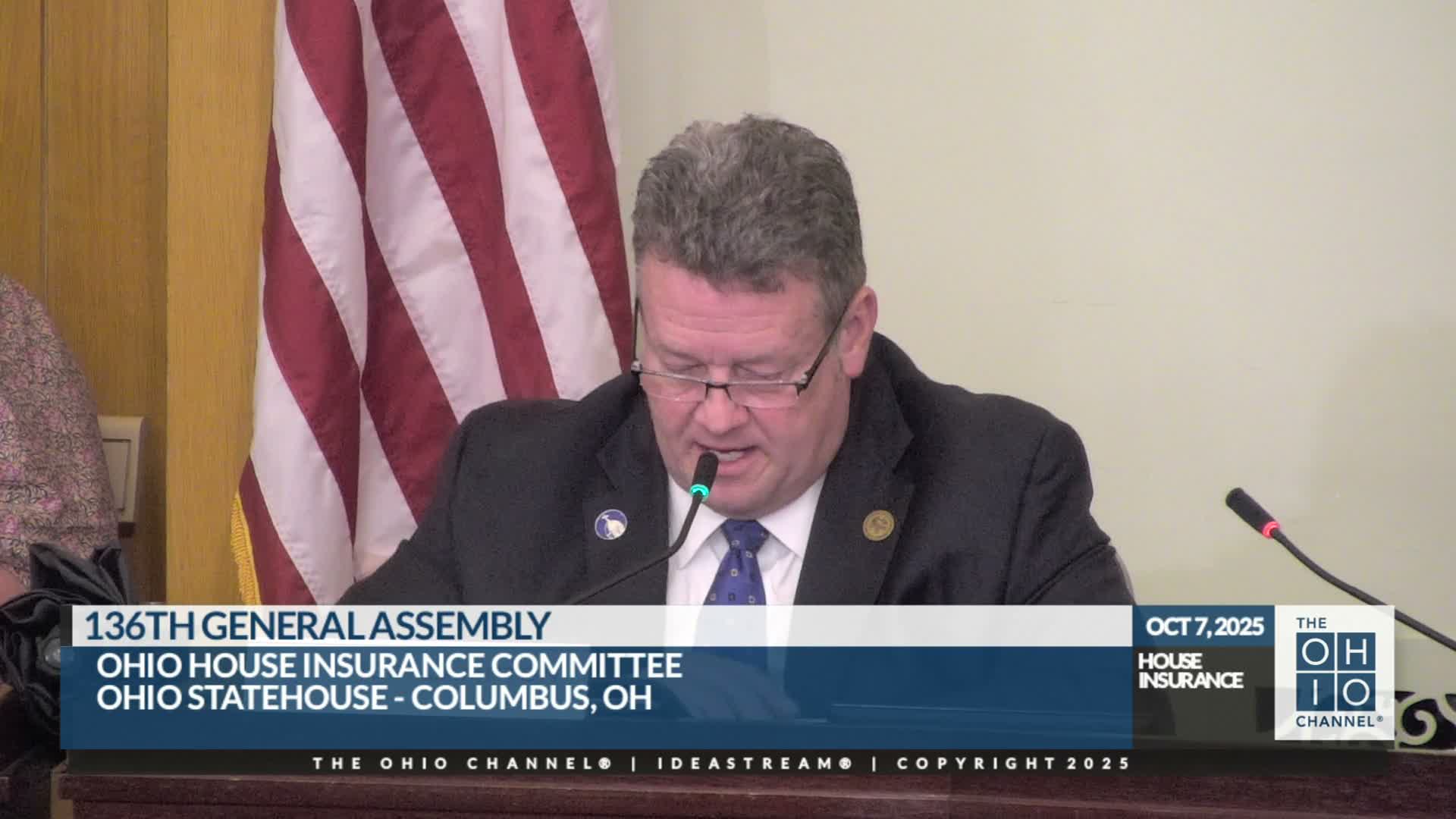
Columbus — Medical and mental‑health groups urged the House Insurance Committee to direct the Department of Insurance to establish network adequacy standards for commercial health plans through House Bill 219.
Monica Hickel, vice president of advocacy for the Ohio State Medical Association, said Ohio is one of only seven states without commercial network adequacy requirements and recommended that the department adopt flexible, evidence‑based standards (potentially in rule) that account for provider availability and travel distances, and that require up‑to‑date provider directories.
Dr. Leslie McClure, president of the Ohio Psychological Association, described long wait times for therapy and testing — as long as six to 12 months for assessments in some cases — and urged enforcement and improved administrative processes so patients can reach in‑network providers without long delays.
Committee members pressed witnesses on potential unintended consequences, including the interaction with ERISA‑exempt self‑funded plans and whether network mandates would raise premium costs if insurers must contract at higher rates. Witnesses said some providers accept lower panel rates to broaden access but acknowledged fee schedules and administrative burdens affect provider participation.
Representative Dieter moved and the committee accepted an amendment requiring timely enrollment and credentialing, temporary enrollment after a completed credentialing application, and quarterly reporting by the Department of Medicaid on newly enrolled providers. The committee did not take a final vote on HB219 during the session.
Lawmakers asked associations for more data on geographic gaps, provider counts and the likely effects on premiums and access; supporters said the goal is to ensure directories and panels reflect providers who are actually accepting patients, rather than paper listings.