Private conveners outline Safe and Healthy Spokane Task Force, aim for May recommendations
Loading...
Summary
A community-led task force convened by private partners presented an asset assessment and four advisory committees focused on prevention, custody strategies, reentry and facilities, with 54–56 recommendations and a May delivery target; presenters emphasized early wins, community engagement and a role for county commissioners in prioritization.
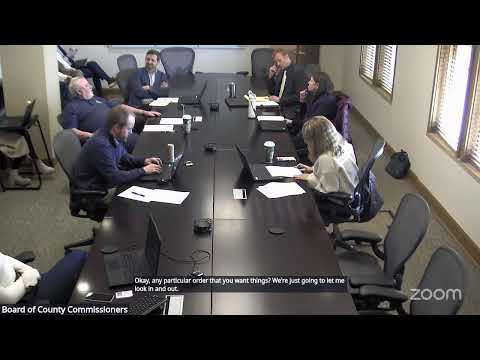
Conveners of the Safe and Healthy Spokane Task Force briefed Spokane County commissioners Feb. 17 on a cross-sector effort to align behavioral-health, crisis response and public-safety systems and to deliver prioritized recommendations by May.
Emily Cameron and other conveners said the task force grew from a 20-person delegation visit to Whatcom County and now comprises roughly 43 initial members from government, public safety, service providers, victims' advocates and people with lived experience. The conveners said the aim is a coordinated system that expands diversion, treatment, stabilization and housing resources while aligning data and performance measures across providers.
The task force commissioned an asset assessment from the Lifeman Group that identified strengths—committed leadership and provider capacity—and gaps: limited stabilization options, housing availability constraints, workforce shortfalls and inconsistent data sharing. Presenters said the assessment produced 54–56 recommendations spanning short-, mid- and long-term actions and that the task force will prioritize those recommendations through four advisory committees organized around a sequential intercept model: prevention and crisis response; custody strategies and courts; reentry, discharge and community corrections; and facilities, infrastructure and coordination.
Conveners described a community engagement toolkit and a plan to solicit input from a broad set of stakeholders (Rotary, labor groups, neighborhood organizations) as advisory committees meet. Commissioners urged conveners to continue site tours (jail and stabilization center) to ground recommendations in facility conditions and operations. Conveners emphasized that the task force is advisory and that any capital or fiscal proposals will require separate jurisdictional review by elected bodies.
Next steps: advisory committees will meet to triage and cost-prioritize recommended actions; conveners said a consolidated report and recommendation set will come back to county and city elected bodies in May for deliberation and potential next steps.