Get Full Government Meeting Transcripts, Videos, & Alerts Forever!
Get email alerts on the Property Tax topic
No spam. Unsubscribe anytime.
Sponsors ask for PILOT from large conservation landowners, citing local revenue losses
Summary
Representatives Pizzoli and a co‑sponsor said House Bill 540 would require modest payments in lieu of taxes from conservation organizations that own very large acreage (threshold proposed at 15,000 acres) to offset local revenue losses; sponsors cited a Nature Conservancy holding of about 20,000 acres in Adams County and estimated nearly $900,000 in foregone county revenue.
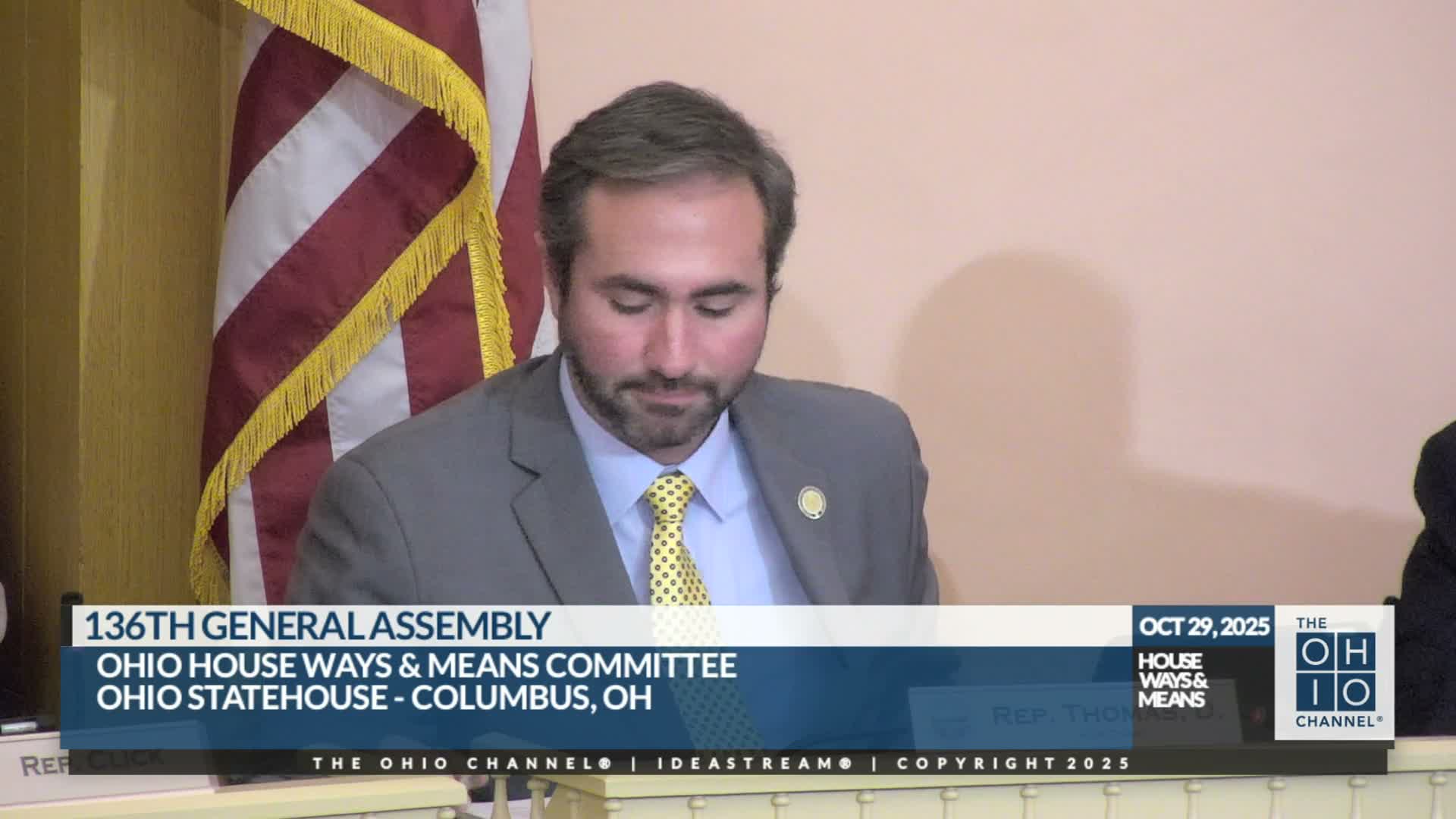
Representatives Pizzoli and a co‑sponsor presented House Bill 540 in an informal hearing, describing the measure as a narrowly targeted payment‑in‑lieu‑of‑taxes (PILOT) for conservation organizations that own very large amounts of private land in a single county.
Pizzoli said the Nature Conservancy now owns over 20,000 acres in Adams County and that the county auditor estimates nearly $900,000 a year in foregone tax revenue tied to large tax‑exempt holdings. "Under House Bill 5 40, The Nature Conservancy would contribute about $250,000 annually," Pizzoli said, calling the proposed contribution modest relative to the donor funds the conservancy reports receiving. He argued the bill applies only to counties where one conservation organization owns more than 15,000 acres and framed the measure as an effort to restore fairness to small rural counties that must maintain roads and services on a shrinking taxable base.
Committee members asked about scope, whether churches or other exempt entities would be affected, and about possible unintended consequences; sponsors said the bill targets a specific exemption type (large undeveloped conserved land) and that federal tax‑exempt status is separate from state property tax treatment. Members also discussed whether the measure should be expanded to address other large exemptions (medical foundations, abatements), and sponsors said this bill is a first, narrow step and that a sub bill would follow to refine details.
No formal vote was taken. Sponsors said they would distribute additional materials to the committee and expect further hearings.