Get Full Government Meeting Transcripts, Videos, & Alerts Forever!
Get email alerts on the Affordable Housing topic
No spam. Unsubscribe anytime.
Bill would let nonprofits rent or loan predevelopment land without losing tax exemption, supporters say
Summary
House Bill 26 10 would clarify property-tax exemption rules for nonprofit organizations developing affordable homeownership by allowing certain interim rentals/loans to qualifying nonprofit users without losing exemptions. Proponents said the change reduces carrying costs and prevents blight; staff said the fiscal impact to the state general fund is expected to be nil but local shift indeterminate.
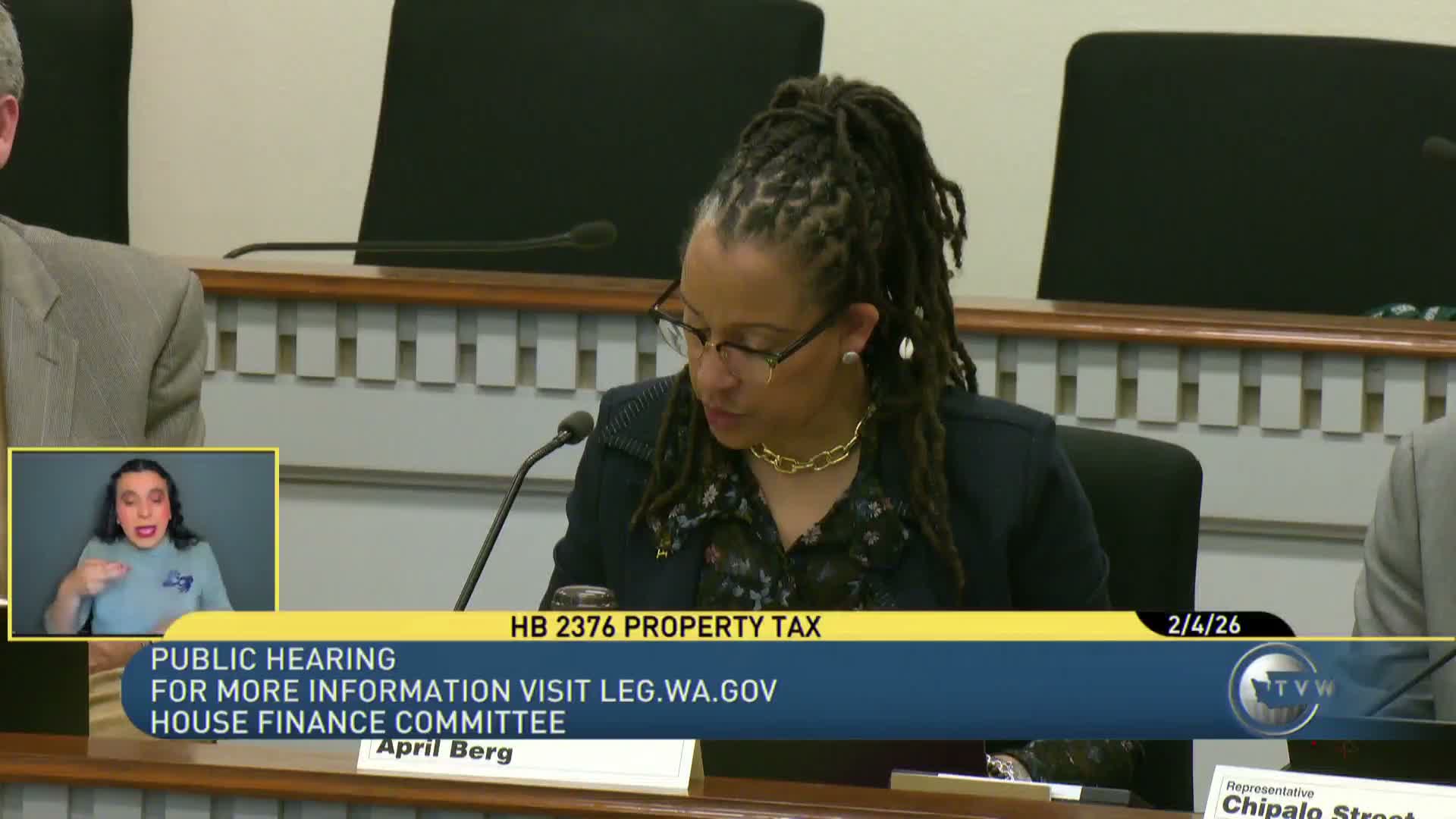
House Finance Committee members heard from nonprofit housing advocates on HB 26 10, a bill designed to protect property-tax exemptions for land held by nonprofit developers while projects are in predevelopment.
Staff explained the current exemption for property owned by nonprofits developing housing to be sold to low-income households generally expires after seven years or upon lease/transfer unless an extension is granted. Under HB 26 10, a nonprofit holding land for affordable homeownership could temporarily rent or loan the property to another organization for qualifying activity, provided rents or donations do not exceed maintenance and operating costs and interim nonexempt uses are limited.
Representative Street, the bill’s sponsor, said the change treats nonprofit affordable-housing developers consistently with other charities, reduces carrying costs, and recognizes that development timelines often require interim stewardship. Supporters at the hearing — including Jason Gauthier (South Sound Housing Affordability Partners), Kathleen Hasbald (Homestead Community Land Trust), and Jim Chambers (WELD) — described cases where interim community uses (arts programs, short-term occupancy) preserved sites from blight and enabled projects to proceed while financing was assembled.
Kathleen Hasbald said Homestead lost an exemption after providing free performance space at a Tacoma site, and argued the bill would allow responsible interim uses while protecting development budgets. Testifiers urged the committee to pass the bill to align policy with real-world nonprofit development timelines.
Staff said the DOR and EBB fiscal note shows no impact to the state general fund but that the amount of any state levy shift is indeterminate because the number of qualifying properties is unknown.
The committee closed public testimony; no final action was taken at this meeting.