House clears package of bills on trailers, timberland taxes, ambulance funding, labor protections, housing and burial grounds
Loading...
Summary
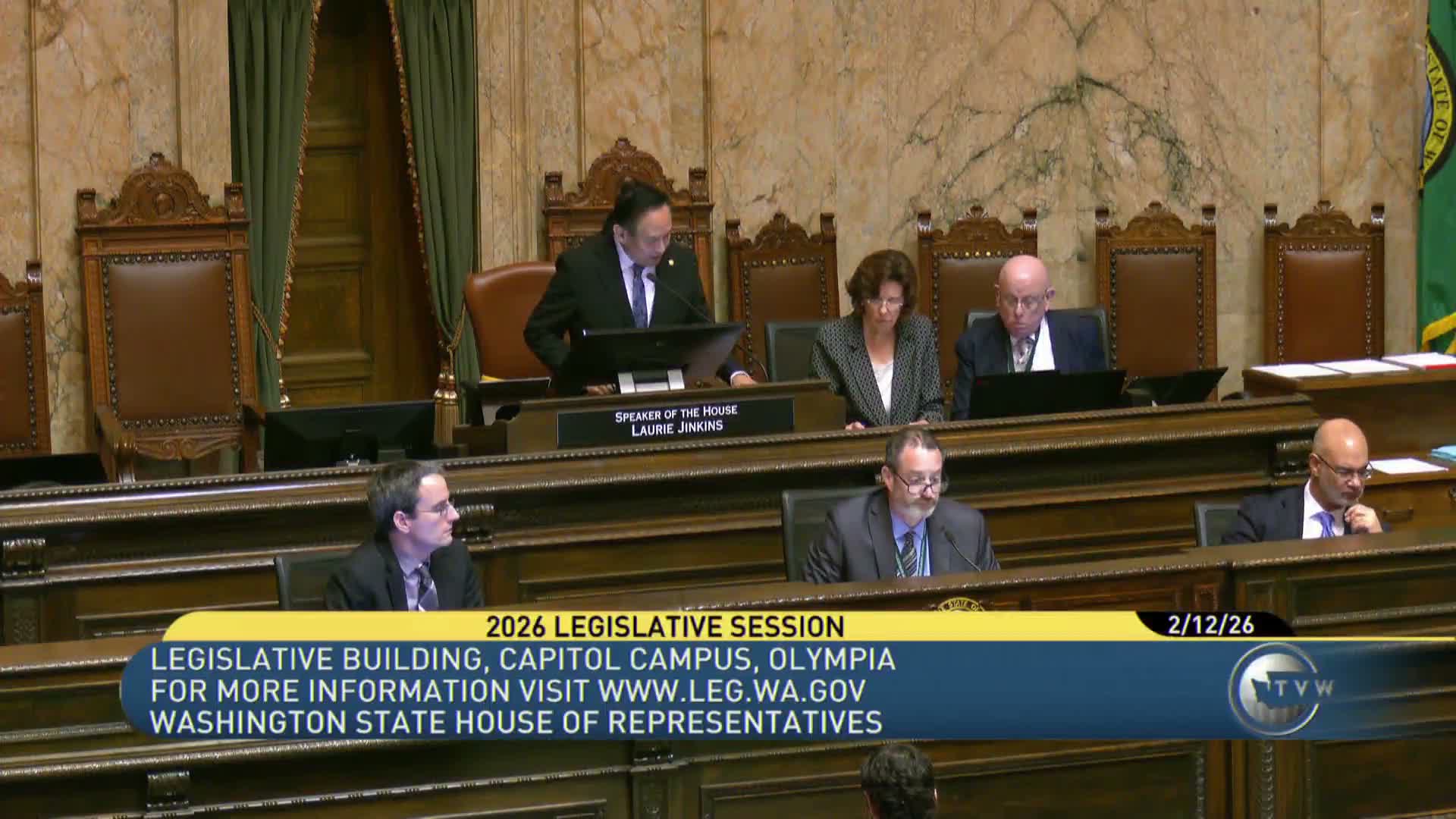
The House passed a set of bills on the floor covering fifth-wheel trailer definitions, timberland tax treatment, the ambulance quality fee, domestic-worker labor protections, land banking, irrigation board rules and family burial grounds; most passed by comfortable margins or unanimous roll call.
On the same floor day the House passed a series of bills spanning transportation, taxation, emergency services funding, labor protections, housing tools and cultural land-use issues.
Notable outcomes recorded on the floor included:
• Substitute House Bill 24 67 (fifth-wheel trailer measurement): Substitute adopted and final passage recorded as 94–0 (yays–nays, excused unspecified). Supporters said clarifying the definition helps local businesses and buyers. • House Bill 19 83 (timberland tax classification for transfers to DNR): Passed 68–26–4 (yeas–nays–excused). Sponsors said it aligns tax treatment when property moves from private to public ownership for timber management. • House Bill 25 31 (ambulance quality assessment fee): Passed 94–0; sponsors framed it as maintenance to secure federal matching funds for emergency medical services. • Substitute House Bill 23 55 (labor protections for domestic workers): Passed 57–39–2; supporters framed the bill as dignity and workplace protections, opponents cited a fiscal note. • Engrossed substitute House Bill 25 34 (educational stability for military families): Passed 96–0–2 after adoption of a minor technical amendment. Supporters said the bill eases school transitions for military children. • Engrossed second substitute House Bill 19 74 (land banking to support affordable housing): Amendment 15 64 was adopted to reduce fiscal impact; bill passed 59–37–2. • House Bill 22 23 (irrigation district director beneficiary interest): Passed 93–3–2; sponsors said it helps rural commissions fill boards. • Substitute House Bill 22 39 (family burial grounds): Passed 96–0–2; sponsors cited cultural and rural needs.
Each final passage was recorded on the floor with a roll-call read by the clerk and a declaration that the bill had passed when a constitutional majority was achieved. These bills will proceed to enrollment and the next steps in the legislative process.