Get Full Government Meeting Transcripts, Videos, & Alerts Forever!
Get email alerts on the Behavioral Health topic
No spam. Unsubscribe anytime.
House narrowly approves bill to phase out Community Protection Program after heated debate
Summary
Substitute House Bill 13 90, which phases out the Community Protection Program and transfers participants into other waiver programs, passed the House after extended, strongly contested debate about safety, civil rights and federal compliance; final vote 52–44.
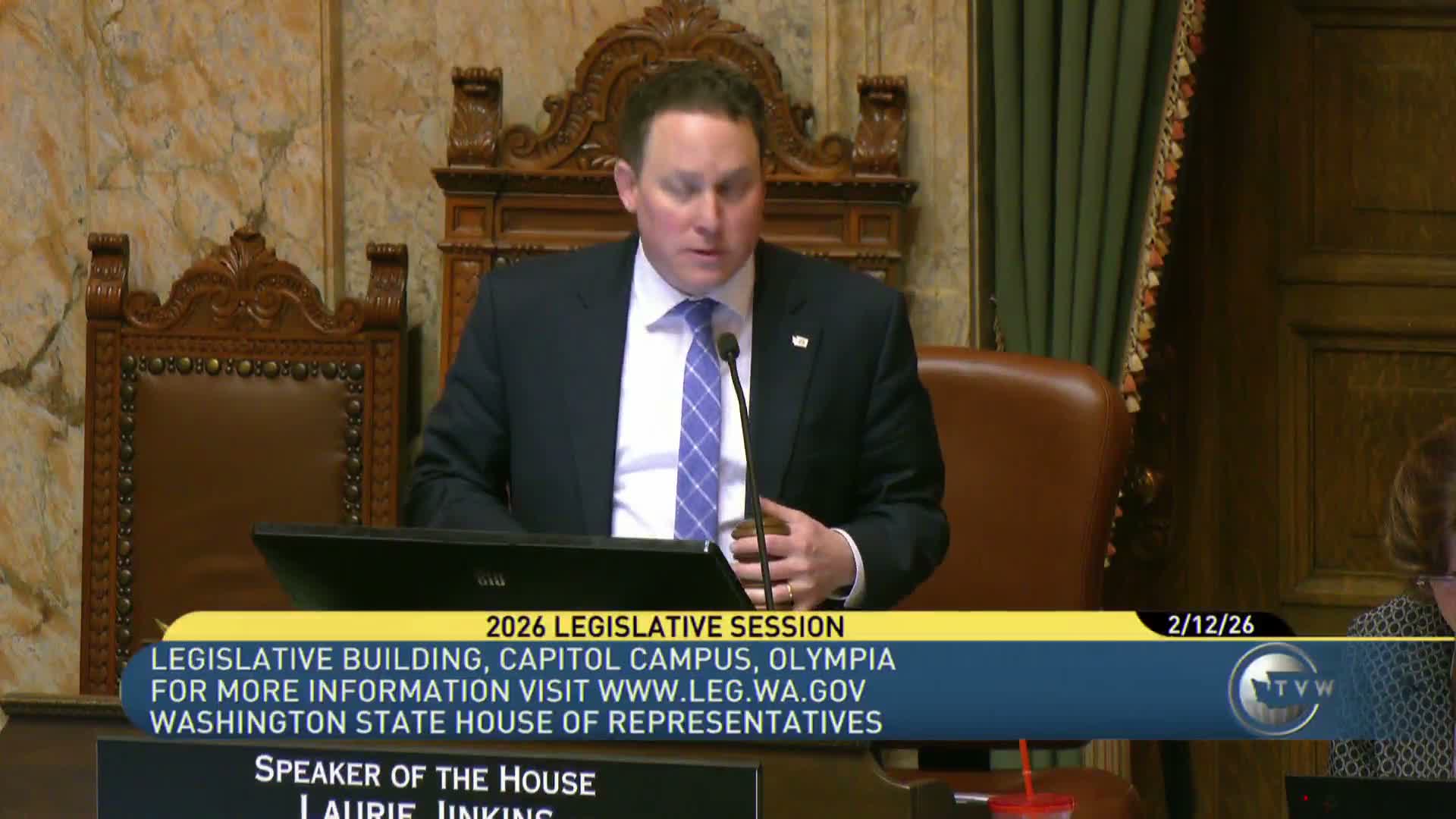
The Washington State House voted to pass Substitute House Bill 13 90 on the floor after extended debate that split the chamber over public safety and civil-rights concerns. The bill phases out the Community Protection Program, directs the Department of Social and Health Services to develop transition plans and moves affected participants into other waiver programs; sponsors said the change responds to federal findings and the need to bring the program into compliance.
Representative Goodman, presenting the substitute, said the Department of Social and Health Services requested the bill after federal review and a recent ombuds report describing severe restrictions in the program and difficulty for participants to exit. He told colleagues the bill would phase the program out while preserving services and housing through other waiver programs. Supporters highlighted the program’s restrictive conditions and argued many participants have never been convicted of a crime and were treated like prisoners.
Opponents pressed public-safety arguments on the floor, citing past violent incidents and warning that the proposal could place individuals with histories of serious offenses into community settings without sufficient monitoring. Representative Couture asked colleagues to "vote no" and framed the measure as an "anti public safety bill." Representative Farvar, a supporter, read testimony describing his long personal experience in the program and said the status quo can amount to living in a house that "is a prison by another name." The House recorded 52 yays, 44 nays and 2 excused and declared the substitute passed.
The floor debate repeatedly contrasted goals of civil-rights and individualized treatment with concerns about community safety and implementation timelines. Several members urged additional hearings and slower implementation; others argued federal pressure and threats of litigation required action. The bill passed the constitutional majority threshold and moves to the next steps for enrollment and transition planning by DSHS.