
Committee considers expanding shared leave to victims of hate crimes and immigration enforcement cases
Get AI-powered insights, summaries, and transcripts
Sign Up Free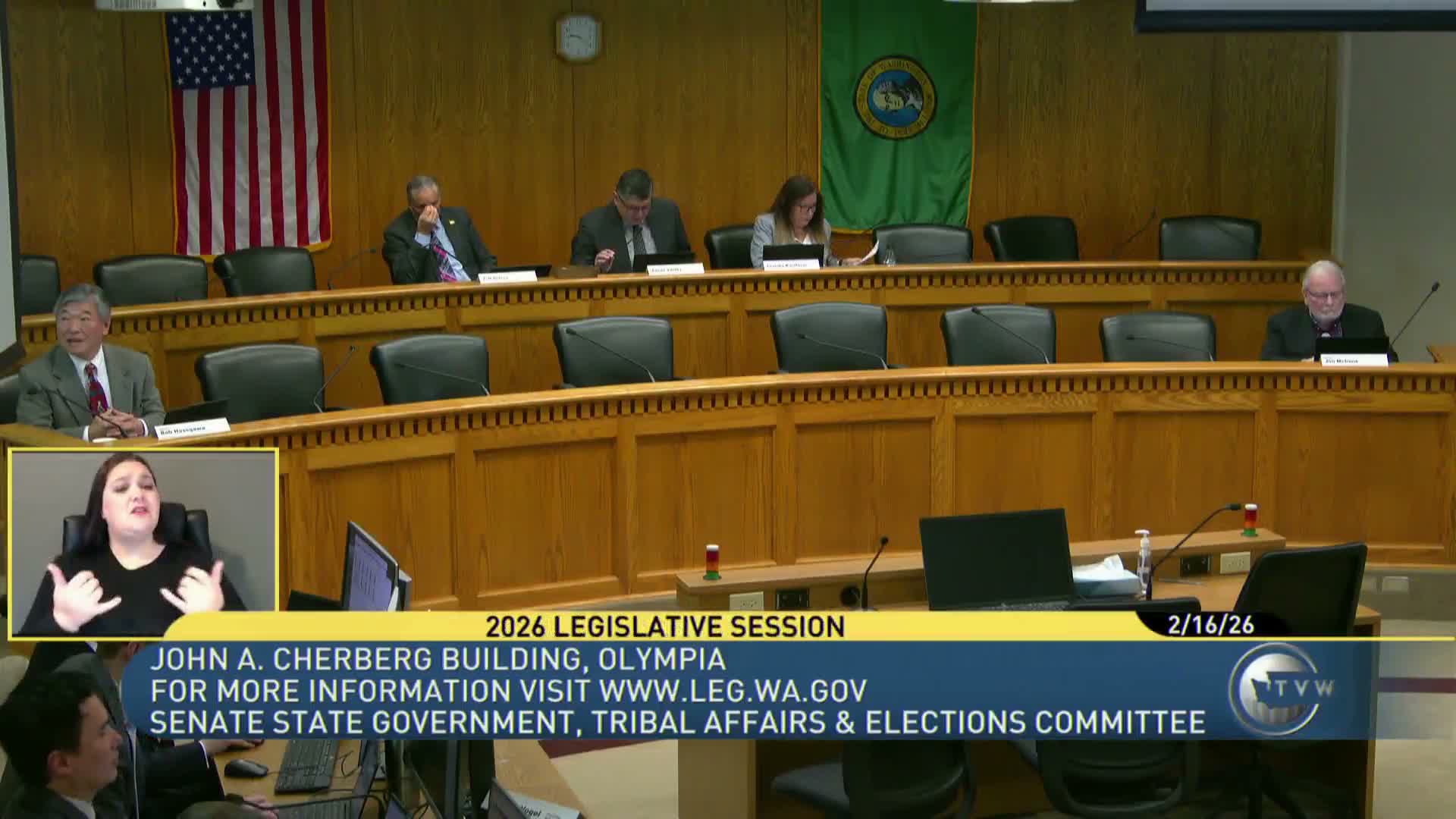
Summary
Substitute House Bill 2411 would allow state shared leave to be used by employees who are victims of hate crimes or whose absences result from immigration‑enforcement actions; witnesses cited a recent case where an employee legally resident in the U.S. was detained at the Canadian border and colleagues could not donate leave under current law.
Substitute House Bill 2411, heard Feb. 16, would permit state employees to use donated shared leave when they are victims of a hate crime or when their absence is caused by an immigration‑enforcement action affecting them or a family member. Staff and the bill’s sponsor said the bill does not mandate leave or create new entitlements; it allows agencies to accept donated leave under specified conditions and includes confidentiality protections for immigration‑related verification.
Representative Salahuddin described a 2025 case in which a legally authorized employee and her 6‑year‑old child were detained by U.S. immigration authorities, leaving coworkers unable to donate leave because the statute did not allow it. OFM staff said the shared‑leave program is voluntary for donating employees and requires the recipient to exhaust other leave first. Union witnesses and affected workers urged passage as a safety net; opposing witnesses raised concerns the language could be open to abuse and asked for clearer limits.
Committee members asked staff to clarify how “victim of a hate crime” would be defined and whether adjudication is required; OFM agreed to follow up with statutory definitions. The hearing record included hundreds of pro‑signatures and several in‑person and remote testimonies. The committee closed the hearing and will consider next steps in committee scheduling.