San Rafael sanctioned camping area shows housing progress but voucher shortfall threatens pace
Loading...
Summary
City and county staff reported steady occupancy and housing-pathway outcomes at the sanctioned camping area but warned a federal emergency housing voucher funding reduction is slowing exits; county and nonprofit case-management capacity and a temporary rent-support mix were discussed as mitigation.
San Rafael — City staff and county partners told the Homeless Subcommittee on Feb. 19 that the sanctioned camping area (SCA) is steady but facing headwinds as federal voucher funding declines.
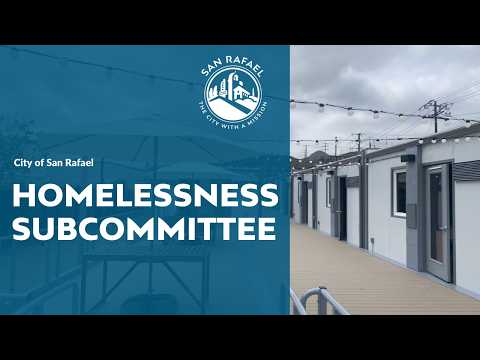
Staff said the SCA averaged just over 49 residents last calendar year and increased capacity to 54; an extra spot is being held at times for weather-related tents, and 52 people were on site at the time of the meeting. "We averaged just over 49 people... we increased capacity to 54," a staff presenter said.
Program-level outcomes reported by staff showed that, over the lifetime of the SCA, 12% of participants were permanently housed, 14% have been exited from the site, and 74% are continuing on what staff described as a "pathway to housing," meaning they remain assigned to housing-based case managers working toward permanent placement. Gary Naderiza, described in the meeting as director for homelessness with the county health and human services department, explained the county is prioritizing retention for people who received pandemic-era emergency housing vouchers (EHVs) and said those EHVs remain available through July 1, 2027.
Naderiza said Marin was issued 117 EHVs during the pandemic and that about 93 people still used those vouchers at the time of his remarks. He said the federal administration ended long-term funding earlier than planned and the county has combined temporary rent-support programs, local relief funds and targeted priority placement to prevent people already housed with vouchers from reentering homelessness. "The housing authority does believe that with the standard turnover in vouchers... by next year... things will start opening up a little bit for our system again," he said.
Council members asked about openings at county-run permanent supportive housing sites such as Casa Canal and were told vacancies are filled through the coordinated entry system that matches the highest-need individuals to site-specific eligibility. Staff explained that assignment to a housing-based case manager is step one on the housing pathway: case managers help clients assemble documentation, apply for Section 8 or other vouchers, search for units and navigate move-in needs.
Public commenters urged clearer communication about ERF (emergency rental/flex) fund balances and requested more caseworkers. Staff acknowledged recent nonprofit turnover that temporarily removed six case-manager positions and said agencies are in the process of refilling those slots; one staffer said a typical case-manager caseload is about 17 clients.
The subcommittee did not take formal action beyond approving the meeting minutes at the start of the session. Staff said they would return with more detailed ERF reporting and casework staffing numbers at a future meeting.
The subcommittee scheduled continued monthly meetings and requested a future update on housing authority status and targeted homeless-prevention work for older adults.