Get Full Government Meeting Transcripts, Videos, & Alerts Forever!
Get email alerts on the Student Device Policy topic
No spam. Unsubscribe anytime.
Goochland administrators propose lockbox system, stricter confiscation to curb phones in class
Summary
Administrators proposed replacing classroom removal punishments with in‑class lockboxes and staged confiscation (first offense: device held until end of day; second: parent pickup) citing teacher survey results and a governor’s executive order; board asked for community input and a special meeting before implementation.
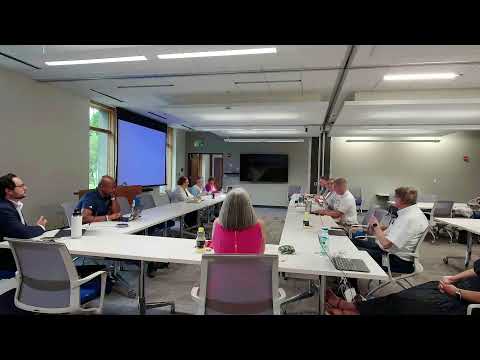
Administrators for Goochland County Public Schools presented a procedural change July 18 that would tighten enforcement of an existing ban on device use during instructional time by storing student phones in classroom lockboxes and escalating confiscation rather than removing students from class.
"We're really moving away from the student removal from class and instead, confiscation of that phone," said Speaker 3, outlining the proposal: students would place devices in a locked classroom box during instructional periods; first infractions would result in administrative confiscation until the end of the school day, second infractions would require parent pickup, and repeated offenses could require multi‑day check‑in/out plans.
The administrators framed the proposal as a way to reduce instructional disruptions and to respond to both local feedback and a statewide directive. Speaker 4 referenced Governor Youngkin's executive order on cell‑phone‑free classrooms and said the change would "get us ahead of that." Speaker 3 added that an internal teacher survey found the majority of respondents view phones as a distraction.
Board members and building leaders spent more than two hours probing logistics: who would lock and carry boxes during drills, how early‑dismissal students would retrieve phones, the time lost at class start and end, and the burden on administrators to manage confiscations. "We did anticipate a five minute window at the start and end of a block," Speaker 3 said, describing a plan to fold lockbox routines into bell‑ringer and exit‑ticket classroom activities.
Principals said the approach may differ by level. "On the middle school side, this is not too different from what we have done," Speaker 5 said, while elementary administrators noted most younger students already leave devices in backpacks and cited wearable devices as their larger concern.
Several board members urged community engagement before final action. "Given the executive order, it would likely serve us better to put forth some options and let our public communicate on those options," Speaker 6 said. The board directed the superintendent's policy advisory group to draft policy language and return for a special meeting or first reading in August to give administrators time to implement procedures before classes begin.
Next steps: administration will draft recommended policy language and procedures for board review; the board signaled it will hold a special meeting before August 13 or include a first reading at the regular August meeting to allow schools runway for preparations.