
Bill would require OSPI to publish special-education complaint decisions online for 20 years
Get AI-powered insights, summaries, and transcripts
Subscribe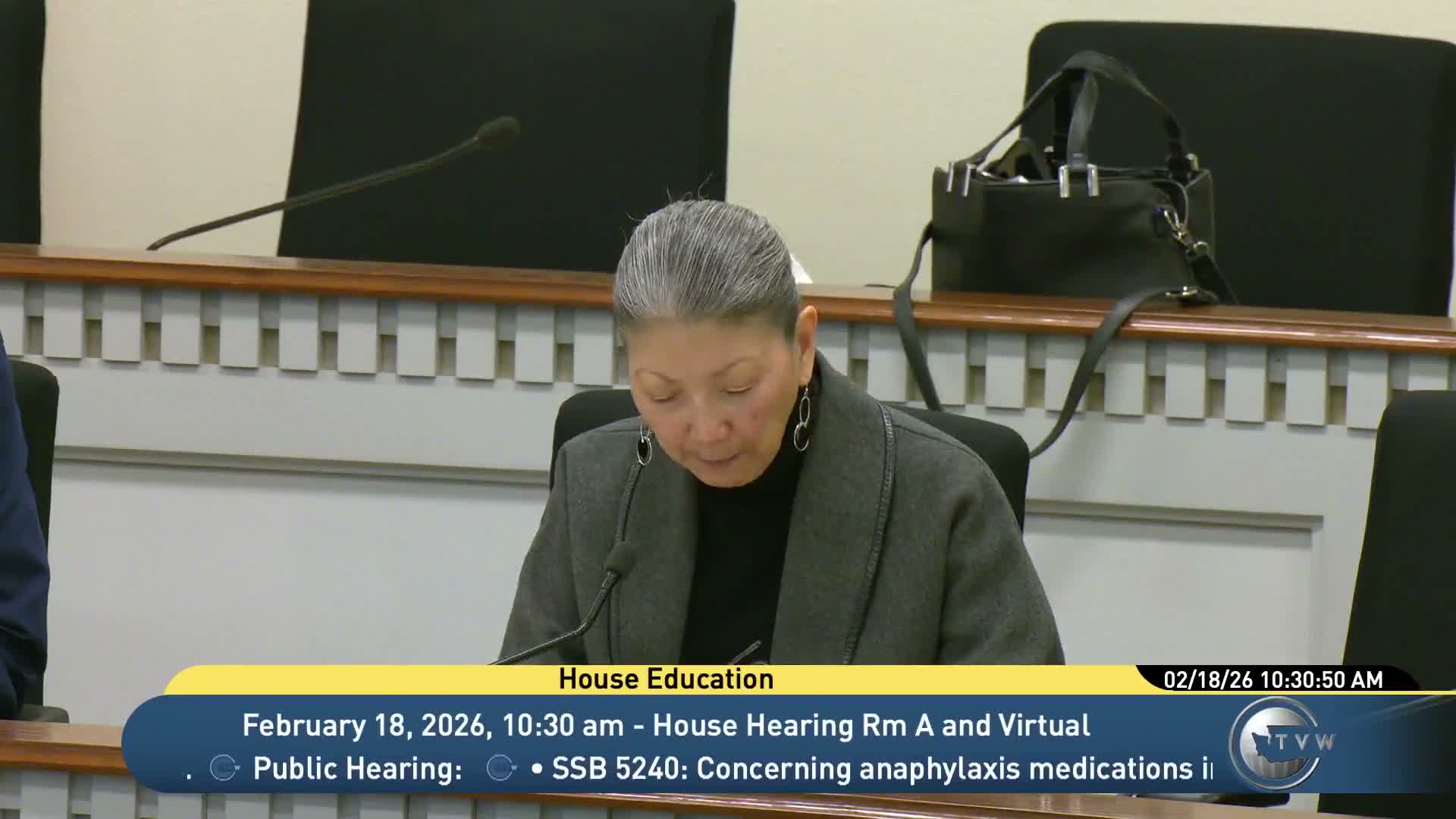
Summary
Sen. Paul Harris and witnesses told the House Education Committee that substitute SB 6,268 would make OSPI's Special Education Community Complaint final decisions publicly available online for 20 years to preserve precedent and help parents, attorneys and districts understand prior rulings.
Substitute Senate Bill 6,268 would require the Office of the Superintendent of Public Instruction to maintain an online, publicly accessible record of final decisions issued in response to Special Education Community Complaints for 20 years after each complaint is finalized.
The measure was briefed to the House Education Committee by Megan Wargacki, counsel to the committee, who said current OSPI practice retains records related to complaints for six years but that SB 6,268 would extend public availability and preserve historical interpretation of special-education law.
Sen. Paul Harris, the bill's prime sponsor, told the committee the portal would let parents and advocates "go in and see what transpired" in prior decisions and better understand why certain services or discipline decisions were made. He said the bill grew from concerns that key rulings disappear under the current six-year retention practice.
Parent and advocate witnesses said the change would help families without the resources to hire attorneys and would preserve precedent. Attorney Catherine George noted an example: she said an important 2017 OSPI decision that resolved a recurring dispute is not available on the current OSPI site (which she said contains decisions only back to January 2020), and that preserving such decisions can reduce repeated litigation and help districts and parents implement consistent practices.
Colette Weeks of the Washington Coalition for Open Government supported the measure as a transparency improvement and said retaining decisions would help the public and schools track whether past remedies continue to be followed.
The committee suspended further action on SB 6,268 to hear other bills on its agenda; public testimony was extensive and the chair asked remote witnesses to submit written copies after a technical hiccup. There was no formal vote in the hearing.
What happens next: The committee will consider further changes and may re-open the public hearing record; no enactment date or vote was taken at this session.