Get Full Government Meeting Transcripts, Videos, & Alerts Forever!
Get email alerts on the Foster Care Benefits topic
No spam. Unsubscribe anytime.
Bill would stop DCYF from offsetting federal benefits for young people in extended foster care
Summary
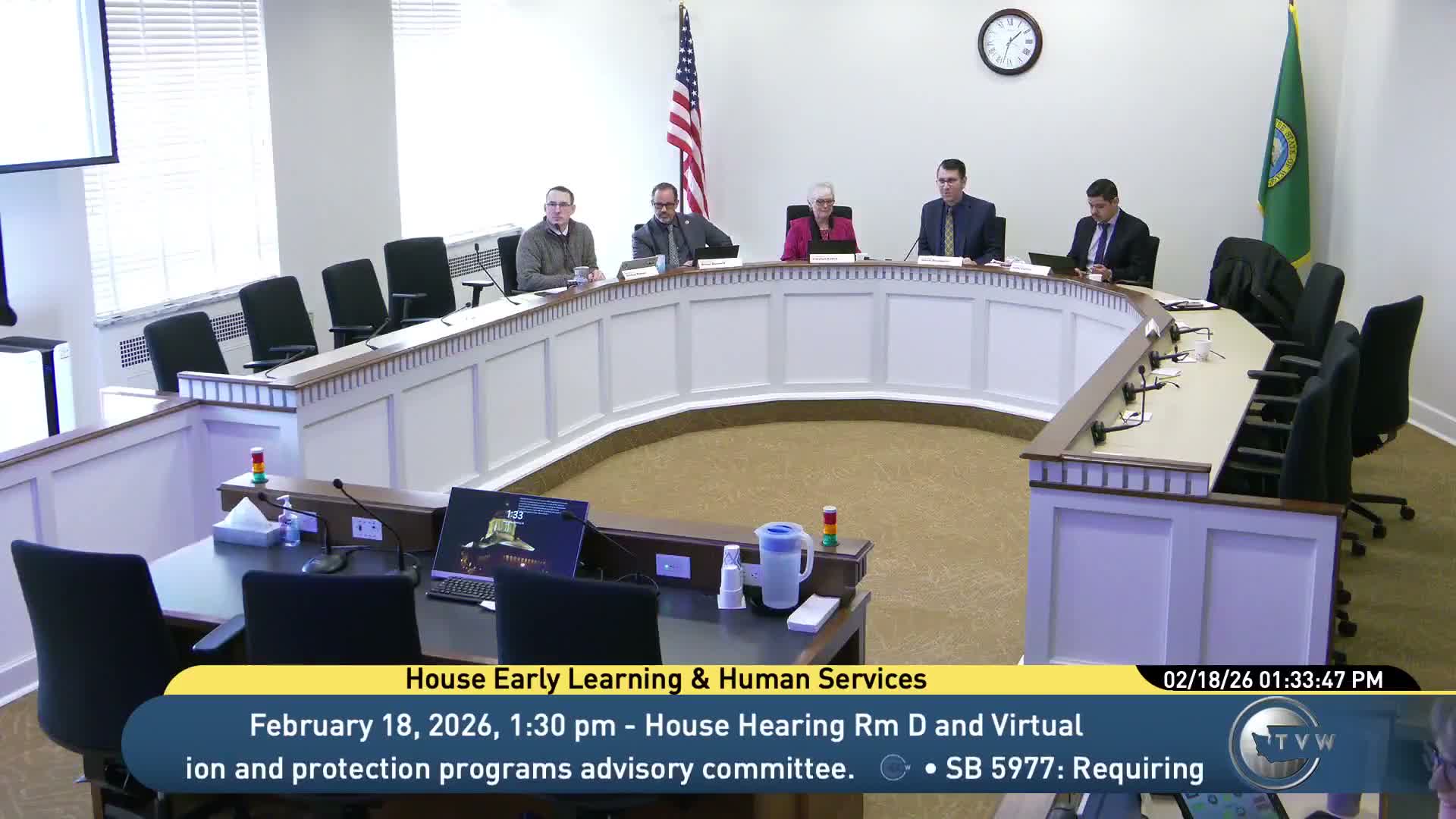
Senate Bill 59‑11 would bar the Department of Children, Youth and Families from using federal benefits of young adults in extended foster care to reimburse the state for cost of care, require help obtaining benefits and allow protected savings; advocates and legal aid groups testified in support.
Senate Bill 59‑11 would bar the Department of Children, Youth and Families from applying federal benefits of young adults in extended foster care as reimbursement for the state’s cost of care beginning Jan. 1, 2027, and require DCYF to help eligible youth obtain and manage those benefits.
Sponsor Emily Alvarado, D‑34th Legislative District, told the committee the bill “is actually quite simple, and it puts dollars back in the pockets of young adults in our state who are in extended foster care.” She framed the measure as a targeted step — focused on 18‑ to 21‑year‑olds in extended foster care — to improve long‑term financial stability while recognizing budget constraints.
Committee staff told lawmakers the secretary of DCYF is currently the custodian of funds for people in the agency’s care and may use some monies for reimbursement; the substitute version raises the threshold for depositing a youth’s funds from $500 to $2,000, requires staff to assess SSI/Social Security eligibility, assist youth to become representative payees, and to establish suitable accounts (including ABLE accounts) or identify alternative payees by contract where necessary.
Advocates and legal service organizations urged passage. Kim Justice of Partners for Our Children said the bill would ensure young people with disabilities receive federal benefits intended to help them afford care and support. Arthur Longworth of TeamChild described clients who were housed in homeless shelters while the state retained their Social Security payments. Kat Lohman of Legal Counsel for Youth & Children said the practice is widespread and that recipients often learn about benefits only through caseworkers.
A health impact review shared with the committee said increasing direct financial resources for young people is likely to improve health outcomes and reduce inequities. Committee questions focused on fiduciary safeguards for representative payees and the availability of financial literacy supports; sponsors and staff said the bill includes guardrails and that additional curricula exist through other efforts.
The committee paused the hearing and later resumed for public testimony; no vote occurred during the session. Next procedural steps were not decided in the hearing.