
Milwaukee School District offers CPI‑capped wage phasing as psychologists press for full 2.63% raise
Get AI-powered insights, summaries, and transcripts
Subscribe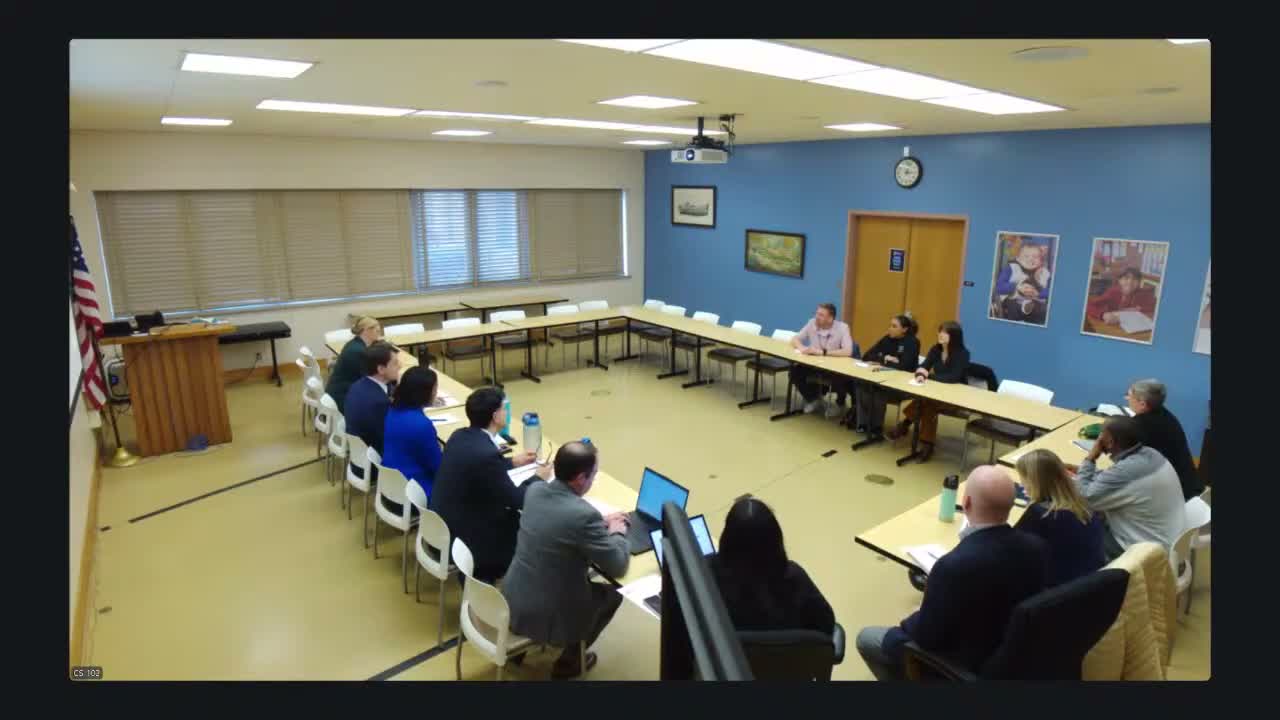
Summary
In an initial bargaining session, Milwaukee School District proposed two ways to phase a CPI‑capped 2.63% base‑wage increase by Jan. 1, 2027; school psychologists’ representatives countered with a request for the full 2.63% cost‑of‑living adjustment effective July 1 to aid staff retention.
The Milwaukee School District presented two CPI‑capped options for base‑wage increases while school psychologists urged an immediate full cost‑of‑living adjustment.
Superintendent Brenda Casale told representatives of the psychologists’ bargaining unit that Wisconsin Act 10 limits negotiations to total base wages and that the consumer price index ceiling for these talks is 2.63%: "Under Wisconsin Act 10, our bargaining today is limited to total base wages with increases capped at the consumer price index of 2.63%." Casale said the district is facing a "$46,000,000 structural deficit between revenues and expenses," citing the most recent audit and describing plans for central‑service staffing reductions and redeployment of resources to schools.
The district offered two approaches that both would total a 2.63% increase by Jan. 1, 2027. Option A delays the full increase until Jan. 1, 2027, which the district said would save approximately $400,000; Option B would give a 1.5% increase on July 1, 2026, followed by a 1.13% increase on Jan. 1, 2027, saving roughly $66,000 overall. Casale emphasized that other matters—such as class‑size caps, step and lane salary advancement, and health‑care proposals—are management decisions and outside the scope of this bargaining session.
Representatives of the psychologists’ bargaining unit (PAMs) responded that retention is a primary concern and proposed the full 2.63% cost‑of‑living adjustment to take effect on July 1. "We are requesting the 2.63% cost of living adjustment, which would go into place on July 1," said Amanda Gailey, introduced in the meeting as a citywide school psychologist.
Gailey and colleagues described the professional qualifications and responsibilities of school psychologists, noting that hiring in the district typically requires an education specialist degree that entails several years of graduate training and that experienced psychologists provide a level of service different from early‑career staff. The parties discussed staffing figures; district staff said there are about 176 psychologists and referenced the National Association of School Psychologists’ guidance on student‑to‑psychologist ratios (commonly cited as about 500 to 1), while noting how centralized evaluation teams and allocation methods affect local averages.
No formal agreement or vote was recorded in this initial exchange. Casale said the district is "eager to bargain in good faith" and invited counterproposals; both sides agreed to schedule another meeting to continue talks.
The district also informed the group of board considerations not before the table for bargaining, including possible class‑size caps (the district mentioned caps of 32 for some schools, 28 for upper elementary and 22 for kindergarten) and an estimated need for about 140 teaching positions at an approximate cost of $25,000,000 to implement those caps. Those programmatic and salary‑schedule decisions were described as separate board actions outside the current negotiations.