
Douglas County partners present 94 lived-experience stories, propose coordinated resource navigation and local policy steps
Get AI-powered insights, summaries, and transcripts
Subscribe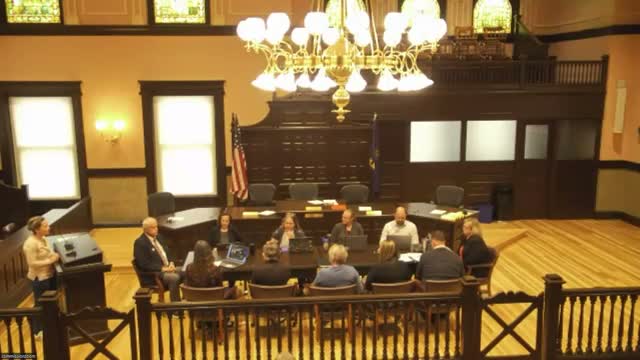
Summary
At a Douglas County work session, partners behind the "Douglas County Thrives" project summarized 94 collected household stories showing widespread income strain and basic-needs gaps and urged coordinated community resource navigation, simplified benefit access and local policy actions to reduce 'benefit cliffs.'
Lawrence — Community partners and county staff on Tuesday presented findings from "Douglas County Thrives," a community sense‑making project that collected 94 personal stories from households at or near the ALICE (Asset Limited, Income Constrained, Employed) threshold and recommended steps to reduce barriers to services.
Jenny Welch Fuller, research project manager at the University of Kansas Center for Public Partnerships and Research, said the project aimed to "place community members, their stories at the heart of meaningful dialogue and action planning." She told the Douglas County Board during a work session that partners gathered 94 stories and that about 40% of respondents were single parents and 72% identified as female. "All of the participants said that they made under about $75,000 a year," she said, and noted that more than one‑third of respondents reported household incomes below $10,000.
Why it matters: Brett Martin of United Way of the Kaw Valley said the project gives local officials qualitative context for already‑observed economic gaps. "In Douglas County, there are nearly 31,000 households that fall underneath that ALICE threshold," Martin said, adding that 16% fall under the federal poverty level. Speakers argued that these data can guide local program design, budget decisions and advocacy about eligibility and benefit structures.
What the stories showed: Fuller summarized recurring themes from the sense‑making sessions: pervasive financial strain, structural barriers tied to eligibility rules and fragmented systems, housing instability, transportation problems, food insecurity and mental‑health or substance‑use challenges. She and other presenters said respondents often cited stigma when seeking help and described how earning more pay could trigger a loss of supports before families reach stability — a dynamic commonly called a "benefit cliff."
Recommended actions: Presenters grouped community ideas into several action buckets, including increasing income stability (for example, direct assistance targeted to single parents), simplifying and coordinating access to services (a "no wrong door" approach), prioritizing housing stability, offering credit counseling and pursuing policies to reduce benefit cliffs. Fuller said the project recommended considering ALICE thresholds as a complement to poverty measures when designing eligibility.
Coordinated navigation pilot: Martin described a community resource navigation initiative to place individual navigators or navigation teams alongside people seeking services and to build sustained relationships between navigators and households. "Individuals who are doing the community resource navigation develop relationships with those individuals who they're serving," he said, framing navigation as complementary to existing community health worker roles.
Policy and funding levers: Martin and others discussed levers to scale navigation work, including pursuing reimbursement for social‑need services (mentioning insurance "Z code" reimbursement models used elsewhere) and diversifying revenue so community‑based organizations can sustain services. Presenters also recommended local, pragmatic policy changes and contractual design that reduce administrative burden and better coordinate care plans when people exit institutions.
Partners and next steps: Presenters said LiveWell and partner organizations have begun convening monthly on community navigation; named partners present included United Way of the Kaw Valley, Heartland Community Health Center and Lawrence‑Douglas County Public Health. Fuller said the full report and appendices — which include ZIP code breakdowns — are in the agenda packet and that project partners plan to make the findings publicly available and to seek opportunities to weave the stories into existing local initiatives.
No formal votes or motions were taken during the work session. The board recessed to its 5:30 p.m. business meeting, where public comment will be accepted.