Lodi adopts five-year economic development plan and extends ad hoc committee
Loading...
Summary
Council adopted a five-year Economic Development Strategic Plan that sets 60 action items across eight strategy categories and extended the economic development ad hoc committee for one year to guide implementation and coordinate with the downtown specific plan.
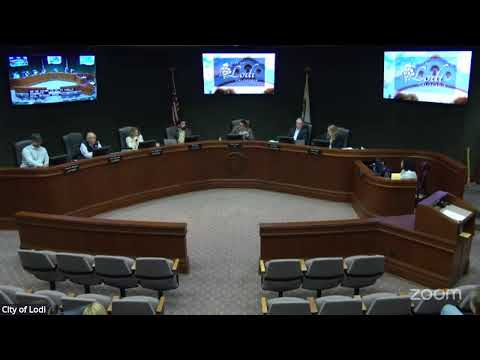
The Lodi City Council on Feb. 18 voted to adopt a five-year Economic Development Strategic Plan and to extend the term of the city’s economic development ad hoc committee for an additional year to oversee early implementation.
Economic Development Director Luis Aguilar presented the plan, which consultants and a steering committee developed; Aguilar said the plan contains eight strategy categories and roughly 60 specific action items covering business retention and attraction, workforce development, place‑making, site readiness and marketing. He summarized a SWOT analysis identifying Lodi’s strategic location, agricultural and manufacturing assets, downtown and tourism opportunities, and challenges including permitting reputation, limited resources for startups and aging infrastructure.
Steering committee chair Mark Chandler and other stakeholders offered public comment in support of adoption and urged continued involvement through implementation. Councilmembers praised the plan’s emphasis on performance measures and stakeholder partnerships and moved to adopt the plan; the motion passed.
Council also approved a one‑year extension of the economic development ad hoc committee to help implement Year 1 actions and to coordinate with the downtown specific plan. Council discussed membership and the committee’s potential transition to a standing committee after the implementation phase.
Next steps include continuing community outreach, advancing downtown planning, and tracking key performance indicators to measure progress against income and job-growth benchmarks.