EMS Core reports 88% success rate and a 44% year-over-year service increase
Loading...
Summary
EMS Core told the advisory board it transitioned 585 of 668 encountered patients (88% success rate), recorded 46 relapses, and saw appointments rise from 1,249 in 2024 to 2,860 in 2025. Staff said overdoses taken to EMS have declined overall, but meth-related incidents and contaminated supplies are an ongoing concern.
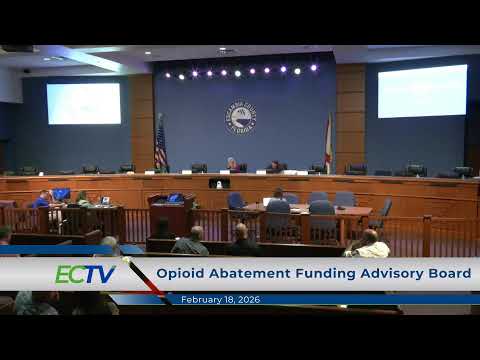
An EMS Core representative told the Escambia County Opioid Abatement Advisory Board that the program has transitioned 585 of 668 patients it encountered — an 88% success rate — and recorded 46 relapses.
"To date, we have transitioned 585 patients out of the 668 that we've encountered. We still maintain an 88 percent success rate, with only 46 relapses," the EMS Core representative said. The presenter added that EMS Core conducted 1,249 appointments in 2024 and 2,860 in 2025, a 44% increase.
Board members asked whether the increased appointments reflect more overdoses or improved engagement. EMS and Community Health presenters said the rise reflects higher enrollment and better access to care rather than an increase in overdoses in-program. The EMS representative said overall overdose calls are down and Narcan use has declined across many EMS agencies, but that the system is seeing more meth-related incidents and cases where substances were adulterated.
Panelists flagged continuing needs: more medication-assisted-treatment (MAT) providers, stronger provider-level buy-in in hospitals, and additional training to reduce stigma. The EMS presenter described work with DCF partners to provide physician-to-physician in-service training in hospitals to increase comfort with inductions and reduce barriers to treatment.
The board did not take a formal vote but discussed continued collaboration among EMS, hospitals and partner agencies to expand treatment capacity and follow up on training and provider engagement.