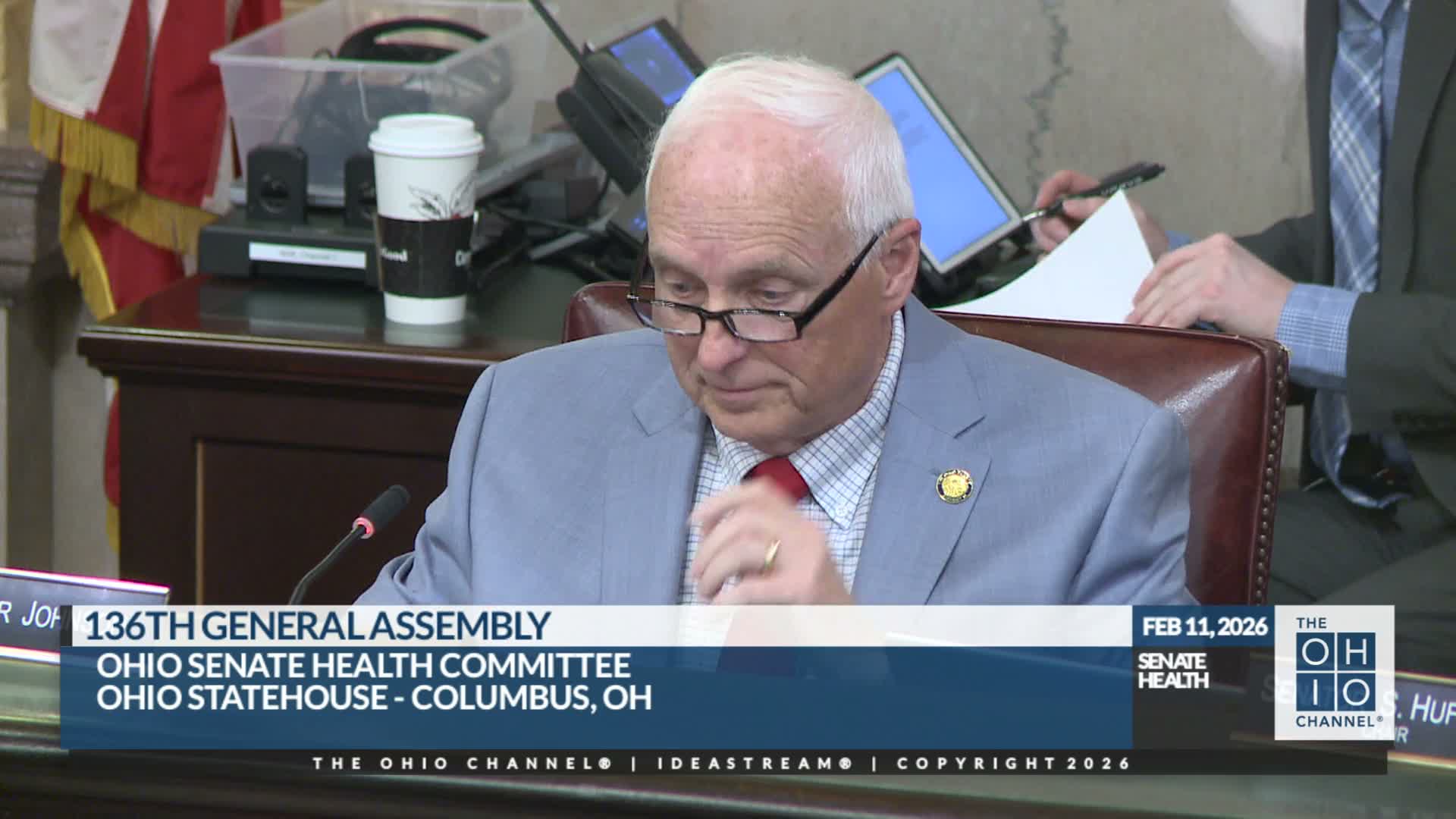
Lengthy first hearing on 'Apple Act' focuses on informed‑consent, reported complications and liability paths
Loading...
Summary
Proponents of the Abortion Pill Provider Liability Education Act (SB 309) told the Senate Health Committee that a standardized liability/informed‑consent form would help women and provide accountability for providers and manufacturers; senators pressed witnesses on data sources, scope and constitutional concerns.
The Senate Health Committee held a lengthy first hearing on Senate Bill 309, the "Abortion Pill Provider Liability Education Act" (referred to in testimony as the "Apple Act"). Multiple proponent witnesses — representing pregnancy resource centers and national pro‑life organizations — urged the committee to require a standardized informed‑consent/liability statement be provided to women who obtain medication abortion, saying the change would put information in patients' hands and create avenues for accountability when complications occur.
Savannah Martin of Bella Vita Network and the Ohio Coalition of Pregnancy Centers described clients who, she said, suffered life‑threatening complications after chemical abortion and lack of follow‑up care. She told the committee about a client she called "Rebecca," who she said was 15 weeks gestation when she took medication abortion and later required an emergency D&C after severe complications. Martin said standardized language explaining potential risks and legal recourse would empower patients.
Witnesses from Ohio Right to Life, Susan B. Anthony Pro‑Life America and Pregnancy Decision Health Centers offered similar testimony with local case examples and broader claims about adverse‑event rates from a mix of reports the witnesses cited. Suggestions from witnesses included expanding the bill's definition to cover misoprostol, requiring that the patient receive a copy of any signed certification, and improving ICD‑10 reporting so emergency departments can better track abortion‑related complications.
Committee members pressed proponents on the empirical basis for the complication rates quoted, the interaction of a liability statement with existing informed‑consent laws, and whether focusing on a single medication could raise constitutional concerns. Senators also discussed whether a scripted, standardized form could substitute for individualized medical counseling and whether the Department of Health or licensing bodies should target providers who fail to follow standards.
Proponents advocated that the standardized form would be scripted, factual and not ideologically biased, and said they would provide referenced studies to committee offices. The hearing closed after additional witness testimony and follow‑up questioning; no committee vote was taken. Senators indicated they wanted more data, legal analysis and input from medical professionals before further action.