
Heated testimony on term limits: proponents urge Article V convention, opponents warn of constitutional risk
Get AI-powered insights, summaries, and transcripts
Subscribe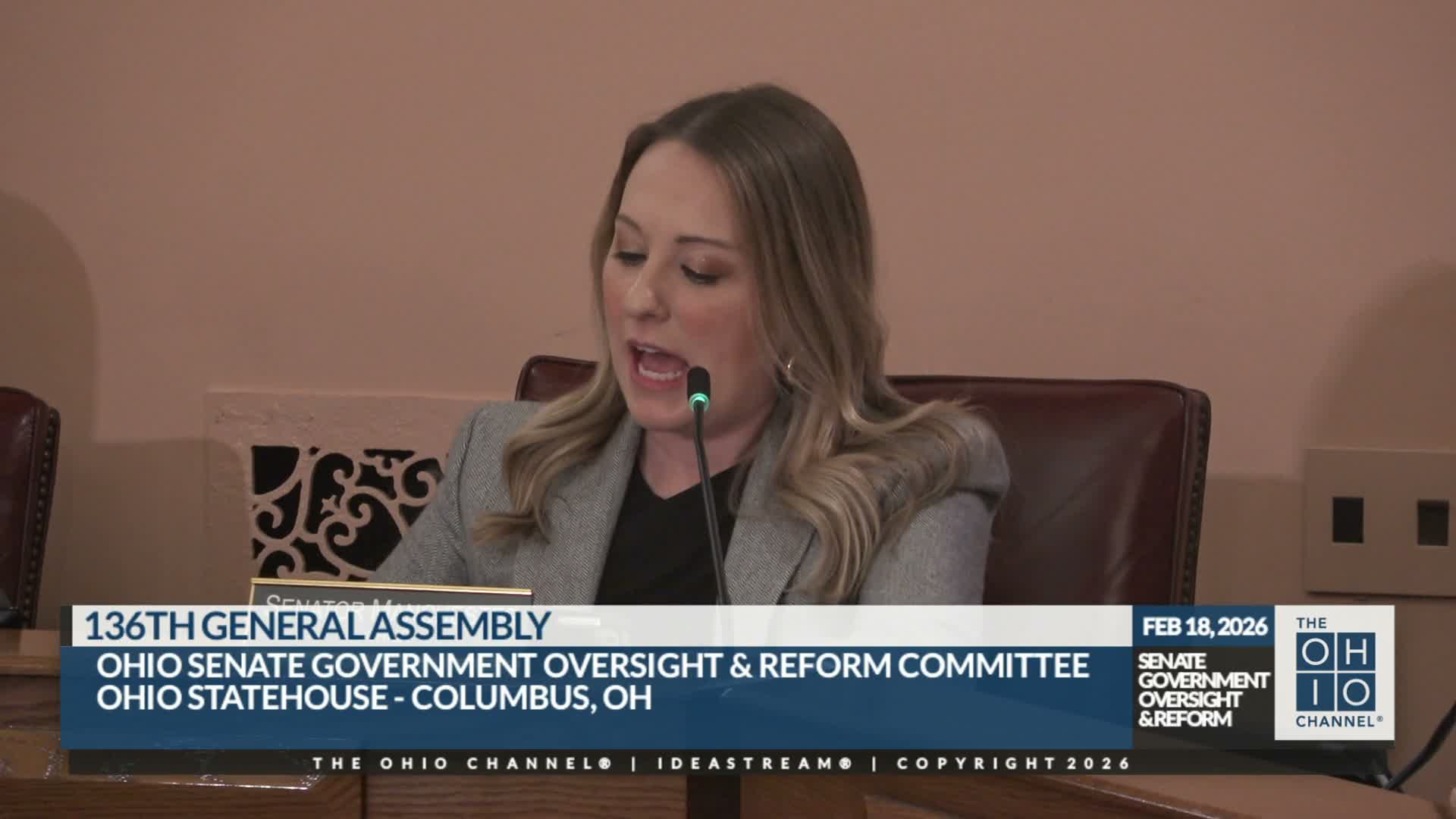
Summary
Supporters of SJR 6 urged a state-led Article V convention to impose term limits on Congress; opponents including Common Cause and other witnesses warned that a convention has no enforceable procedural limits and could become a 'runaway' process, urging Congress-driven amendments instead. The committee heard multiple proponent and opponent witnesses but took no action.
SJR 6 drew a long hearing with both proponent and opponent witnesses debating whether Ohio should apply to call an Article V convention to propose congressional term limits.
Sponsor testimony came from former state senator and current Congressman Ruley, who said constituent support for term limits is strong and framed a convention as a pragmatic, state-driven way to prod Congress toward an amendment. "We are here today to nudge Congress to a way where they could start thinking about term limits," he said, and he told senators the resolution would not apply retroactively to sitting members.
Aaron Duquette, regional director for U.S. Term Limits, argued a convention limited to term limits would produce public pressure compelling Congress to propose an amendment and cited polling showing large public support. Duquette said most historical state convention calls have been single-topic and that Congress often acts preemptively when states approach the Article V threshold.
Opponents filled the committee room. Alicia Healy (Ohio Patriots Alliance), Common Cause Ohio, retired teachers, civic groups and private citizens warned that an Article V convention has no settled procedural rules, that delegates could set their own rules and that a convened convention could go beyond term limits; witnesses cited legal opinions and past warnings from former justices. Peter Maxwell and Pierre Wolf noted that several states that initially considered convention calls later rescinded them, and witnesses pressed for pursuing a constitutional amendment through Congress rather than risking an open convention.
Committee members probed both sides about delegate selection, scope-limiting mechanisms, and whether a convention could be constrained to a single topic. Some senators expressed skepticism about both the likelihood of a convention and the risks posed by leaving the process undefined.
No committee vote or action was taken at the close of the hearing. The record includes a substantial set of proponent and opponent written and oral materials for staff review.