Get Full Government Meeting Transcripts, Videos, & Alerts Forever!
Get email alerts on the Surveillance topic
No spam. Unsubscribe anytime.
Bristol council holds first reading on ordinance to regulate ALPR license‑plate readers amid privacy concerns
Summary
On Feb. 18 the Town of Bristol Council held a first reading of Ordinance 2026‑O‑3 to regulate automatic license plate readers (ALPR). Councilmembers debated audit frequency, limits on data sharing, notice requirements and a sunset clause and directed members to draft amendments for second reading.
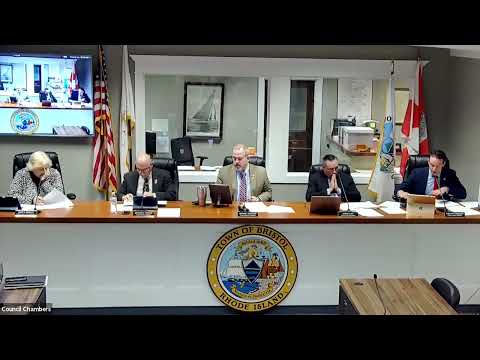
The Town of Bristol Council on Feb. 18 gave a first reading to a solicitor‑drafted ordinance that would regulate the use of automatic license plate readers, setting rules for ownership, authorized uses and prohibited practices.
The ordinance, described by the solicitor as capturing a prior 4–1 consensus, drew extended council discussion about privacy safeguards. One participant urged caution, saying “we have to measure twice and cut once,” and argued for stronger guardrails including mandatory audit percentages, restrictions on downstream sharing of data and public notice if misuse occurs. The speaker identified themselves in the transcript as an unidentified speaker during the exchange.
Solicitor Andy and staff said the draft reflects legal choices and that some additional provisions requested by councilmembers could be framed as policy amendments rather than legal defects. Andy emphasized that much of the draft is legally sound but that councilors had policy choices to make about scope and enforceability. “We put it together the best that we saw the consensus from the Council,” Andy said.
Other council members said the draft already contains important guardrails — for example, limits on the number of cameras and a requirement that any expansion be approved by the council — and urged the body to push for statewide legislation to address broader deployment beyond Bristol. Tony and Tim, who participated in the discussion, said the town should continue to press state lawmakers for uniform rules while ensuring local protections are clear and enforceable.
The council discussed adding a clear sunset clause so the ordinance and any program it authorizes would automatically pause for reconsideration, and several members said they would prepare amendments to present at second reading. The solicitor’s office and staff offered to help prepare amendment language; Peter from the solicitor’s office was credited for work on the draft.
The council constituted the item as a first reading by voice vote; no final ordinance was adopted on Feb. 18. Councilmembers indicated they plan to work on amendments and to bring substantive changes at the next meeting’s second reading, at which point any non‑consequential edits could be adopted or substantial changes would require re‑advertising and another first and second reading.
The next procedural step is for councilmembers who want changes to submit amendment language in advance of the second reading; the solicitor’s office offered to assist in preparing separate, narrowly tailored amendments so colleagues will not be forced to vote up or down on a single omnibus package.