Get Full Government Meeting Transcripts, Videos, & Alerts Forever!
Get email alerts on the Noncompete Healthcare topic
No spam. Unsubscribe anytime.
Ohio bill would limit noncompetes for nonprofit-hospital clinicians to 15 miles, six months
Summary
Sen. Johnson introduced SB 301 to restrict noncompete clauses for physicians, physician assistants and advanced practice registered nurses at nonprofit hospitals to a 15-mile radius from a hospital address and to a six-month post-employment restriction; proponents said the change would ease rural recruitment and follow recent federal developments on noncompetes.
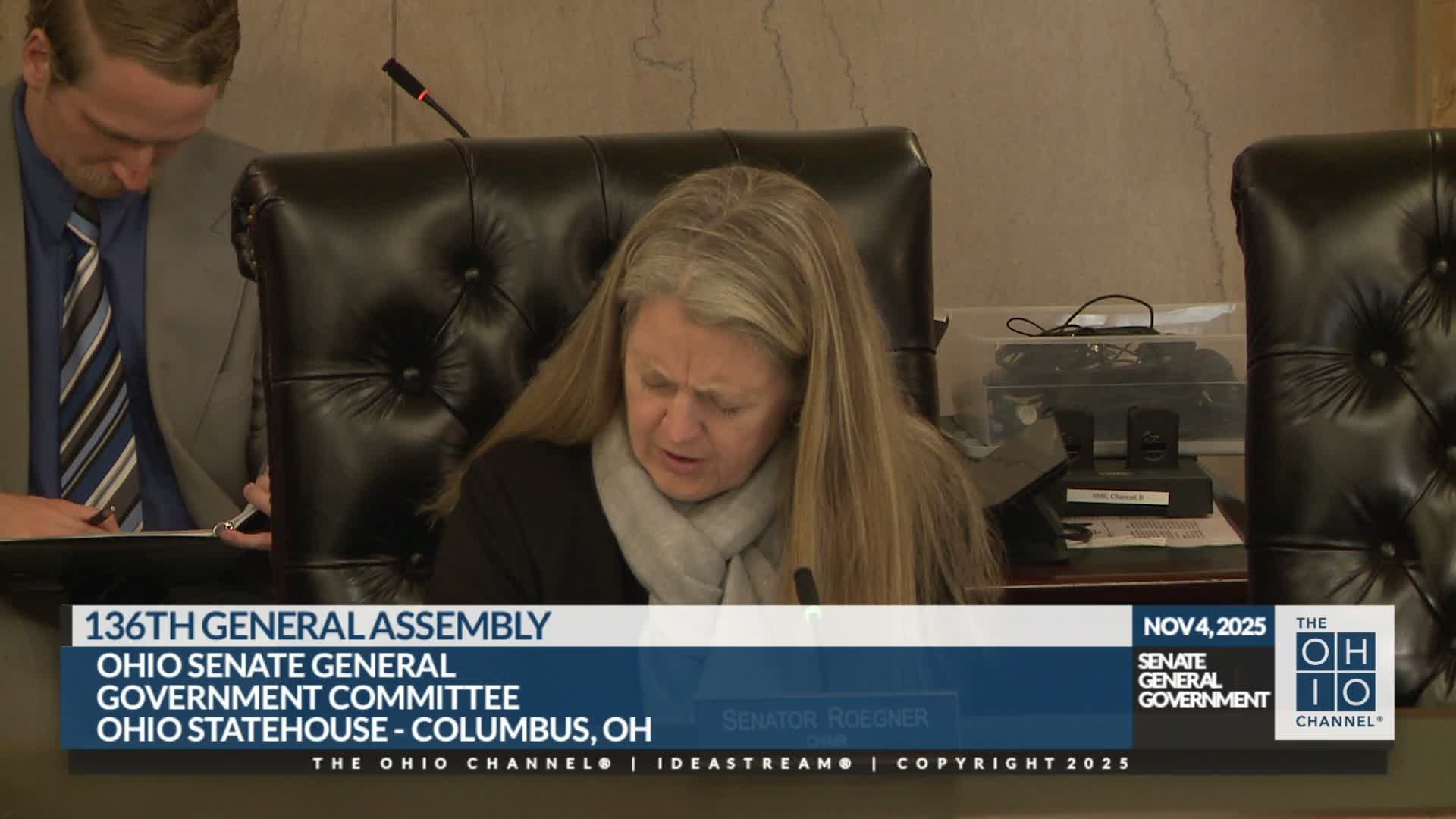
Senator Johnson introduced Senate Bill 301 during a first hearing before the Senate General Government Committee, saying the proposal would limit noncompete agreements for physicians, physician assistants and advanced practice registered nurses employed at nonprofit hospitals to "shall not exceed a 15 mile radius and the single address of the hospital and is limited to a 6 month minimum employment time period."
Proponents framed the bill as a workforce measure for Ohio hospitals, particularly in rural communities. Johnson told the committee the measure is a reintroduction of prior legislation and said it responds to federal developments: an FTC ban on noncompete agreements issued in 2024 was later overturned by the courts, leaving states to set policy. "This is a really, really big deal to health care professionals in the state of Ohio," Johnson said, arguing that noncompetes can force health professionals to relocate or leave the state and that limiting restrictive covenants should aid recruitment and retention.
The sponsor and supporters emphasized that the bill is not an outright ban but a limitation targeted at nonprofit hospitals and specific clinician categories. Johnson told the committee that some noncompete radii he has seen extend up to 50 or even 70 miles and that minimal employment terms in some contracts can run years. He said SB 301 strikes "a fine middle ground between what our hospitals and other employers need to do to conduct good business and our health care professionals."
Senator Mora, noting she cosponsors a broader bill (Senate Bill 11) with different, more expansive coverage, asked why SB 301 is limited to nonprofit hospitals and certain professionals rather than covering a broader set of nurses and for‑profit employers. Mora said broader coverage could better address rural shortages. Johnson replied that he considered a narrower start and had previously limited similar legislation to physicians before expanding it to other professionals; he said he might support broader measures but framed SB 301 as a targeted approach for this bill.
The American Medical Association was also referenced by the sponsor as having taken a position opposing noncompete clauses for physicians; Johnson said that stance is intended to improve patient access to care. The hearing concluded after questions and the committee did not vote on the measure at this session.
The bill will return to committee for further consideration; no formal action was taken at the first hearing.