
VLCT flags legal and workload barriers to regional appraisal and appeals
Get AI-powered insights, summaries, and transcripts
Subscribe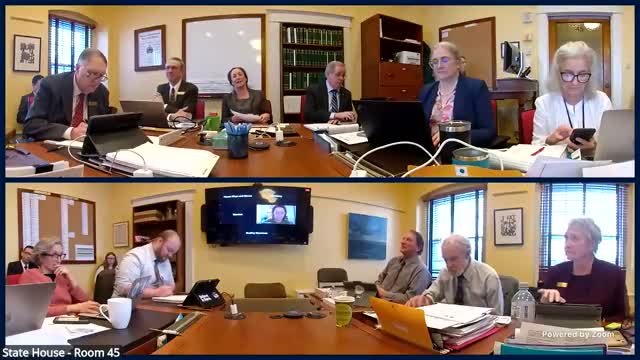
Summary
The Vermont League of Cities and Towns urged the committee not to mandate intermunicipal contracting yet, warned regional appeals boards will face high appeal volumes, and recommended a per‑parcel floor (about $7,500–$10,000) for grand‑list maintenance payments.
The Vermont League of Cities and Towns told the House Ways & Means Committee that several drafting choices in the regional assessment and appeals provisions could create practical barriers for municipalities.
Samantha Sheehan (municipal policy & advocacy specialist, VLCT) said VLCT had not taken a position for or against regionalization but recommended the draft avoid mandating intermunicipal contracts before legal barriers are fixed. She outlined three obstacles: municipalities cannot reliably obligate future budgets for long reappraisal contracts; liability and enforcement mechanics are unclear under intermunicipal agreements; and the certification and lister penalty framework complicates shared contracts.
Sheehan also raised feasibility concerns about the proposed regional Board of Civil Authority (BCA) structure. With expected appeal rates higher than national averages, a small membership drawn from many municipalities could be overwhelmed — particularly if the statute requires panels of three members from outside the property’s town and a membership formula tied to parcel counts.
On costs, VLCT told the committee there is a roughly $10,000 floor for a town to maintain a grand list and suggested a municipal minimum payment for grand‑list maintenance in the range of $7,500–$10,000 would better reflect hard costs (software, equipment, travel) and reduce volunteer burdens.
VLCT offered to work on suggested legislative language to enable shared contracting and requested time between now and the implementation date to resolve these structural barriers.