Get Full Government Meeting Transcripts, Videos, & Alerts Forever!
Get email alerts on the Education topic
No spam. Unsubscribe anytime.
Senator Reynolds urges support for Foster to College Scholarship Act, says program pairs aid with navigation services
Summary
Senate sponsor testimony for SB13 proposes a Foster to College Scholarship Fund with an initial $15 million investment, scholarships that cover remaining cost of attendance after other aid, and built‑in liaison and student navigator positions to improve college access and completion for foster youth.
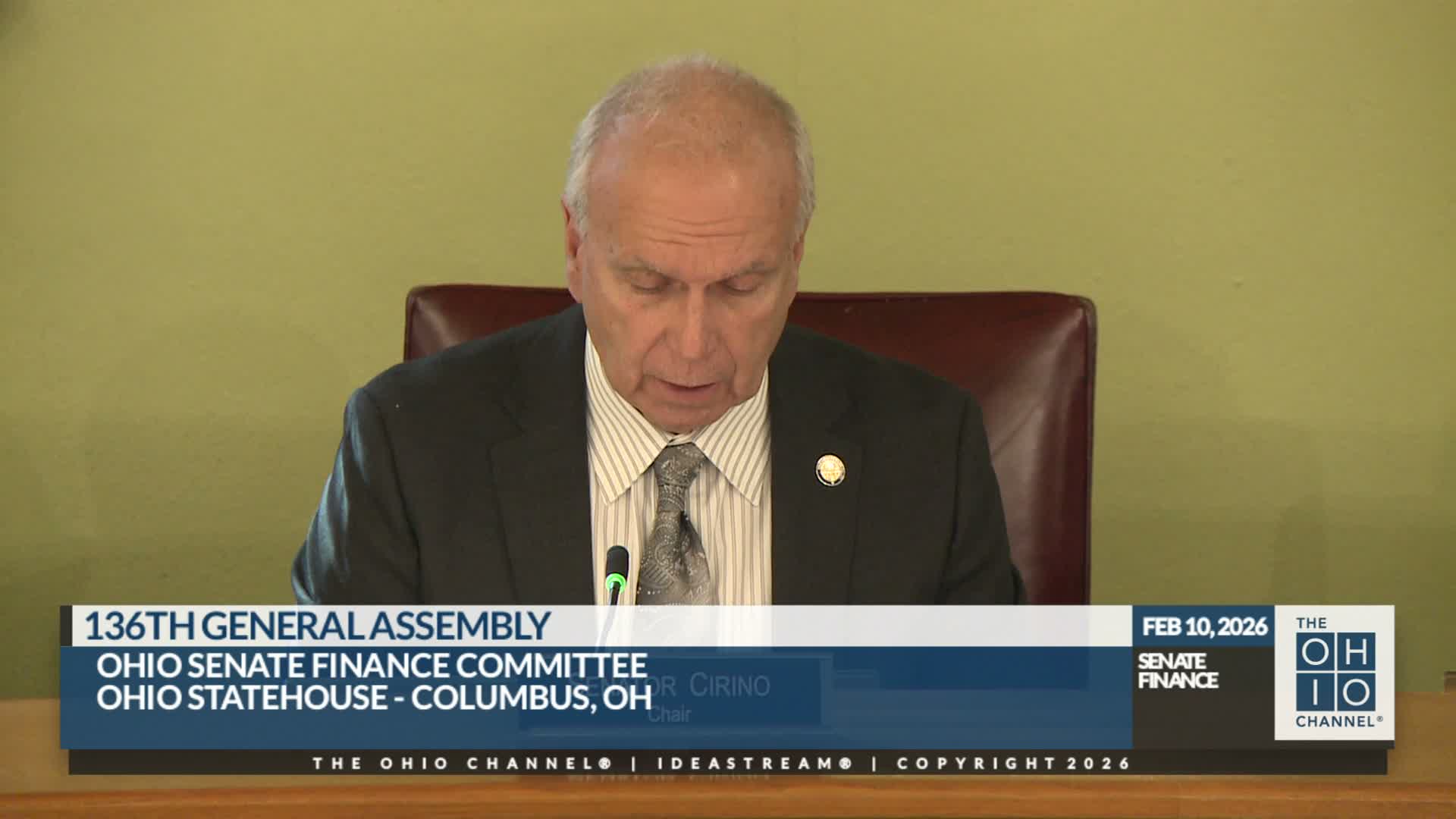
Senator Reynolds told the Senate Finance Committee that Senate Bill 13, the Foster to College Scholarship Act, would create a dedicated scholarship fund and support services aimed at increasing college access for youth who experienced foster care. "This bill is about making a strategic investment in young people and giving them an opportunity to enter areas of the workforce that would otherwise be out of reach," Reynolds said during sponsor testimony.
The bill would establish a Foster to College Scholarship Fund in the state treasury with what the sponsor described as an initial investment targeted to support scholarships and program operations. The legislation directs that scholarship awards cover the cost of attendance only after federal, state and private aid are applied, with payments made directly to institutions. SB13 also builds in program supports: a liaison in the Department of Education and Workforce and student navigators overseen by the Chancellor of Higher Education, roles Reynolds said are designed to reduce dropouts and shorten time to completion.
Eligibility under the bill is limited to Ohio residents who experienced foster care or non‑certified kinship care after their 13th birthday and who have been accepted to an Ohio institution of higher education. Applicants would be required to complete the FAFSA and pursue all available federal aid, enroll in coursework that leads to a degree, credential or certificate, and maintain satisfactory academic progress.
During questions, Senator Ingram asked whether the $15,000,000 appropriation referenced in testimony includes funding for the liaison and the four full‑time student navigator positions. Reynolds said he believes the bill language intends the allocation to cover those program elements but offered to request a formal fiscal analysis to confirm costs. "I think the way that it was written ... is that the 15,000,000 is the allocation for all of this to take place," Reynolds said, and added the committee could obtain further fiscal clarification.
Reynolds framed the measure as both a moral and fiscal investment, saying college graduates in Ohio earn significantly more than those with only a high school diploma and that increased postsecondary attainment translates into higher tax revenue and reduced reliance on public assistance.
The committee received Reynolds' sponsor testimony and did not take a formal vote on SB13 at this hearing. The matter will move forward for further consideration as determined by the committee.
The committee is expected to rely on a fiscal analysis to confirm whether the appropriation as drafted covers both scholarships and program staffing before advancing the bill.