Get Full Government Meeting Transcripts, Videos, & Alerts Forever!
Get email alerts on the Governance Transparency topic
No spam. Unsubscribe anytime.
Council debates transparency, accountability ordinance; staff to refine definitions and enforcement options
Summary
Councilors and staff discussed a draft 'transparency and accountability' ordinance designed to set guardrails on council interactions with staff and outside parties. Members sought clearer definitions of 'direction to staff,' protections for department heads, and whether the policy should be an ordinance, resolution, or governance‑manual provision.
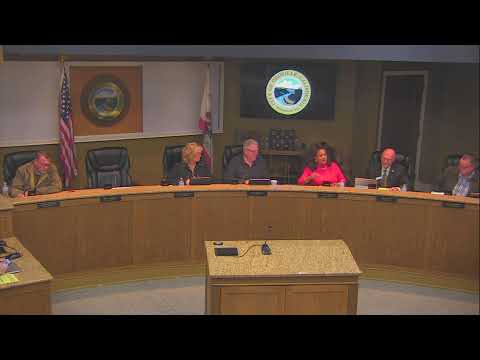
Councilors spent a lengthy portion of the Feb. 3 meeting reviewing a draft Transparency and Accountability Act intended to set rules around elected officials’ communications and prevent unilateral directions to staff.
Council Member Weber, an initial proponent, said the item is intended to create guardrails—not limit routine marketing or constituent outreach—and to preserve consistent processes for future councils. "This is just about accountability and transparency for, not only this council, but future councils," Weber said.
Vice Mayor Smith and other members pressed for clearer definitions, particularly of what constitutes "direction to staff" versus normal requests for information to department heads, which council members said they routinely do. Smith asked the city attorney to examine whether the city attorney’s office would be asked to serve as a referee and whether that would create conflicts with attorney‑client privilege.
City counsel told the council the draft was provided in an ordinance format but noted other implementation choices: adopt an ordinance (the most prescriptive), pass a resolution, or incorporate the language into the council's governance handbook. Counsel reminded members that an ordinance would require a public hearing and two readings, offering additional public notice opportunities.
Why it matters: Council members said the item responds to prior events in which council behavior and informal direction lacked formal procedures. Several members supported adopting language that sets out steps for complaint handling and investigation while avoiding vague terms that could chill routine council‑staff interactions.
Next steps: Council asked staff to bring back edited language with clearer definitions, stronger guidance on the role of the city attorney, and suggested procedural options. No final vote was taken; the council provided direction for refinements prior to a future hearing.