
Little Rock board renews ShotSpotter contract after data presentation and narrow debate
Get AI-powered insights, summaries, and transcripts
Subscribe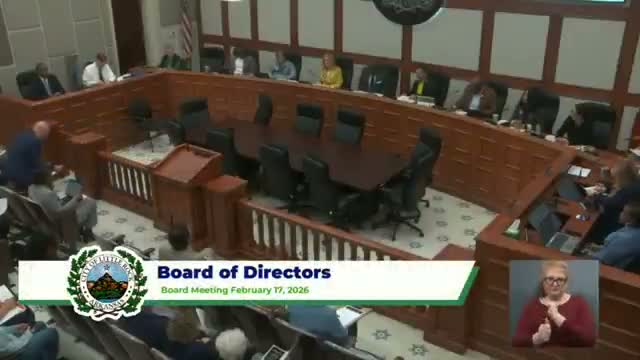
Summary
After public testimony and a presentation of 2025 usage data, the board approved a contract amendment with Sound Thinking Inc. (formerly ShotSpotter) not to exceed $149,500 for a year of gunshot‑detection subscription services; some directors expressed ongoing skepticism and requested more public reporting on case outcomes.
The City of Little Rock Board of Directors voted on Feb. 17 to authorize a contract amendment with Sound Thinking Inc. (formerly ShotSpotter) for wide‑area gunshot detection and API subscription services, authorizing up to $149,500 for the annual renewal.
Public comment divided the meeting. Lorna Cross of the Midtown Neighborhood Association urged the board to continue the service, saying it gives residents "some semblance of relief" and helps ensure police response to neighborhood noises. In contrast, some residents and board members urged caution. Director Phillips, who said she has been skeptical since the program moved off grant dollars and onto the city budget, read contract language she said disclaims the system’s ability to prevent or apprehend perpetrators and announced she would vote no unless convinced otherwise: "I do not think ShotSpotter is an effective use of resource."
The police department provided data and context. Lieutenant Beaulieu reported that in 2025 ShotSpotter recorded 793 activations accounting for 3,284 rounds, with a "ground truth" documentation rate of 33.8 percent — instances where follow‑up produced a tangible corroborating outcome such as recovered shell casings, victims with gunshot wounds, officer observation or a correlated 911 call. He said investigators recovered 174 shell casings, located 21 victims, rendered aid to 11 people and arrested 13 individuals related to ShotSpotter activations; 63 activations had corresponding 911 calls and 10 activations were associated with homicides.
Chief Hilton (identified in the meeting transcript) defended the department’s training and accountability and said the technology has been "valuable" as a tool to supplement patrols and help detectives. He also told the board he would provide a requested report by the end of the week to show how the department uses the system. "This equipment has been valuable to the Little Rock Police Department," the chief said.
Board members remained divided: some pointed to neighborhood requests and case examples where the system aided investigations; others said the city should continue reviewing alternatives and improve public reporting on outcomes. After discussion, the board took a voice vote and the mayor announced the motion carried; the transcript does not include a recorded roll‑call tally.
The contract authorization approved at the meeting was framed as a renewal under terms the city has used previously, and the clerk read the item as an ordinance declaring bidding impractical and authorizing the city manager to enter into the contract amendment for the listed amount. The police department will provide the follow‑up report the chief pledged to deliver.