Commissioners push back on deficit rumors and discuss property-tax authority and state funding
Loading...
Summary
Board members disputed claims the county ran a $4 million deficit, described conservative budgeting and fund usage, and discussed potential state-level policy changes that could let counties consider property-tax credits (changes would not take effect until 2027). Commissioners emphasized the need to coordinate with schools and state representatives.
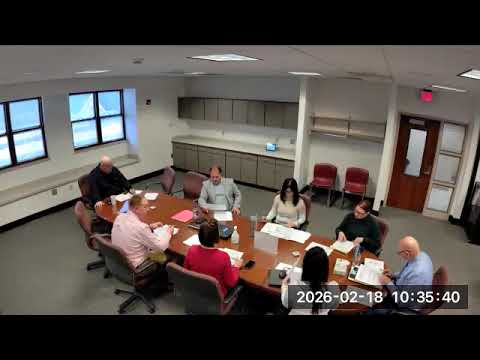
Commissioners spent substantial time on Feb. 19 addressing rumors about a reported $4 million deficit and broader concerns about property-tax authority.
Speaker 1 said he checked with county financial staff and was told the county at no point operated on a $4,000,000 deficit and called the rumor "totally untrue." "I would hope that whoever said that would correct that because that's just totally untrue," Speaker 1 said. Speaker 7 pushed back that the county actually collected about $4,000,000 more in sales tax than budgeted and emphasized that departments were paid, no layoffs occurred and some non-general funds were used appropriately.
The board discussed that budget figures come from the auditor and budget commission and that the county must budget based on the amounts the commission provides. Speaker 4 noted the county currently operates without a budget director and county administrator and framed the current process as a cost-saving measure while acknowledging limitations in internal budget capacity.
Separately, Speaker 4 raised recent state changes giving commissioners authority over some property-tax matters and said the board is considering options for a tax credit targeted at homeowners; she cautioned any change would not take effect until 2027 and that the county must coordinate with local school superintendents and trustees because levies affect school funding. "We haven't voted on it yet, but we know it doesn't happen till 2027," Speaker 4 said.
No formal policy or vote occurred; commissioners agreed to continue budget work and meet with school boards and state representatives to explore options and messaging on revenue-sharing and potential credits.