Get Full Government Meeting Transcripts, Videos, & Alerts Forever!
Get email alerts on the Sewer Abatements topic
No spam. Unsubscribe anytime.
Committee moves two sewer-use abatements exceeding $3,000
Summary
Bangor’s infrastructure committee reviewed and moved forward two sewer-use abatements that exceeded the $3,000 threshold: a residential rental at 468 Mont Hope Ave and a business account totaling $4,353; staff described both as meeting ordinance criteria and provided supporting documentation of repairs.
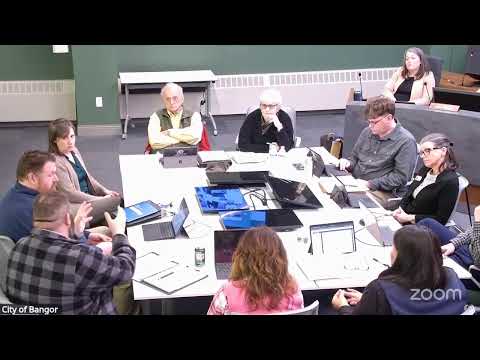
The Bangor City Infrastructure Committee on Feb. 18 voted to move forward staff recommendations for two sewer-use abatements that exceeded the committee’s $3,000 reporting threshold.
Amanda Smith, director of water quality management, told the committee that under the city’s sewer-use ordinance staff calculates abatements by averaging the property’s prior four quarters of usage and will not reduce charges below the minimum bill. Smith said abatements are generally limited to a single quarter unless the property owner documents prompt remedial action that extended the period of high usage.
The first abatement involved 468 Mont Hope Ave, a rental property whose consumption averaged high enough to push the abatement request above $3,000. Smith said staff’s recommendation was to approve the abatement. Committee members raised concerns about rental-management responsibility and noted that repeated abatements can trigger code-enforcement inspections; Smith said a history of repeated requests would be flagged and could lead to enforcement action. An unidentified speaker (S7) moved to accept staff’s recommendation and another speaker seconded; the item was handled by the committee with no roll-call vote recorded.
The second abatement concerned a business account in which documented repairs and follow-up meter readings showed consumption returned to normal. The abatement amount was $4,353. Smith said staff recommends approval because plumbers were engaged, repairs were completed, and the water district confirmed normalized readings. The committee moved the staff recommendation by motion and second.
No formal roll-call vote was recorded in the transcript for either motion; both items were advanced per committee procedure.
The committee did not discuss adjusting ordinance language at this meeting but members asked staff to note management and repeat-request issues that can trigger code enforcement as abatements recur.