
Humboldt Waterkeeper shows sea-level rise viewer, contaminated-sites mapping and water-trails map
Get AI-powered insights, summaries, and transcripts
Subscribe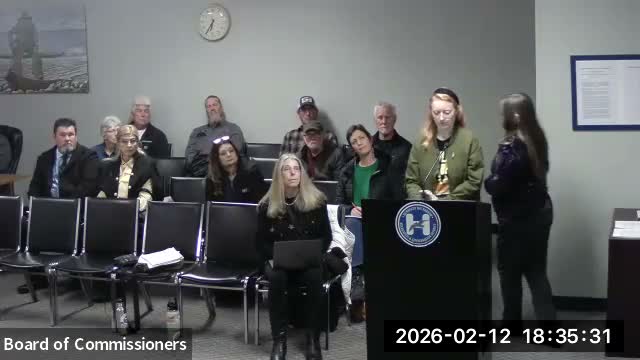
Summary
Humboldt Waterkeeper representatives demonstrated a public web map showing 1‑meter and 2‑meter sea‑level scenarios, digitized contaminated‑site sampling and a geo‑referenced Humboldt Bay water‑trails map; presenters said maps are free to use and can be updated quickly to add safety information.
Jen Kalt and a Humboldt Waterkeeper GIS analyst, Sylvia, presented the group’s programs and two public mapping tools to the board and audience.
Kalt described Waterkeeper’s long-running water‑quality and toxics work — including a decade of digitizing sampling results and mapping known or suspected dioxin and pentachlorophenol ("penta") contamination sites around Humboldt Bay — and noted the group’s role in earlier studies that informed the State’s fish-consumption advisory for Humboldt Bay. "A lot of our work involves watch‑dogging the redevelopment of these sites to make sure that it's not getting remobilized with ground disturbance," Kalt said.
Sylvia gave a live tour of a sea‑level rise and contaminated‑sites web map that overlays 1‑meter and 2‑meter scenarios and shows sampling locations; she cited data from Northern Hydrology and Engineering and Cal Poly Humboldt’s Sea Level Rise Institute digital commons. The app also includes bookmarks, search and print/export functions. Sylvia demonstrated a second web map and a geo‑referenced PDF for Humboldt Bay water trails that highlights boat ramps, tide‑safety warnings, oyster beds and hazard areas.
Commissioners and members of the public asked about adding disclaimers and contact numbers, mudflat warnings and the ability to update the maps quickly; presenters said the web maps are designed to be edited and can incorporate suggested safety information. Humboldt Waterkeeper offered to share the maps on its website and provide follow‑up materials for public distribution.
The demonstration was informational; presenters encouraged commissioners and staff to use the maps in outreach and to refer residents to the online viewer.