Committee hears expansive insurance-reform bill targeting fraud, claims processing, fortified homes and penalties

Georgia House Insurance Committee · February 18, 2026

Get AI-powered insights, summaries, and transcripts

Subscribe
AI-Generated Content: All content on this page was generated by AI to highlight key points from the meeting. For complete details and context, we recommend watching the full video. so we can fix them.

Summary

HB1344, the largest bill from the insurance-rate study committee, would increase enforcement tools and fines, tighten claims deadlines for catastrophes, implement a fortified homes program subject to appropriations, close an "excluded driver" loophole for uninsured motorists, and consolidate fraud provisions including reclassifying certain paid solicitation ('runners') as felonies; the committee held the proposal as a hearing only.

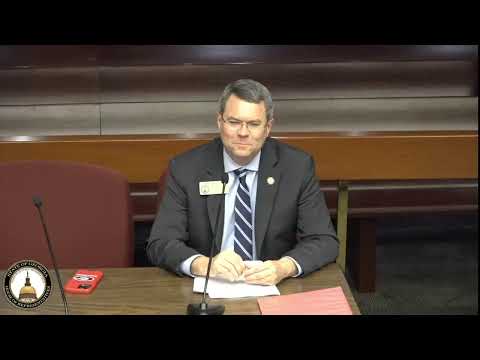
Representative Jim Reeves presented House Bill 13-44 as a comprehensive insurance-reform package developed by the insurance rate study committee. Reeves said the bill aims to lower premiums, speed claims processing, strengthen fraud enforcement, expand tools for the insurance commissioner, and encourage insurer headquarters and market entry in Georgia.

Key elements Reeves highlighted include: an increase in about 40 existing fines across the insurance code and stronger enforcement against staged-accident and solicitation schemes; tightened claims-processing deadlines and catastrophe response rules to speed claim resolution after storms; a fortified homes program to harden homes against wind and flood damage (subject to appropriations); and a provision designating an "excluded driver" who nonetheless drives as an uninsured motorist for recourse and enforcement purposes.

On fraud enforcement, Reeves said the bill consolidates certain provisions into Title 33 and reclassifies the use of paid solicitors ("cappers/runners/steers") as a felony in some instances, increasing the per-violation fine from $100,000 to up to $200,000. Representative Douglas asked whether the bill makes a first offense a felony; Reeves said the moved provision reflects a reclassification and emphasized that criminal guilt must be proven beyond a reasonable doubt and that judicial discretion remains, including first-offender treatment.

John Barber of the Independent Insurance Agents of Georgia testified in support, saying independent agents write roughly 53% of Georgia premiums and that expanded fortified-homes funding and anti-fraud tools would help reduce losses and stabilize the market. Reeves and others said the Department of Insurance would coordinate with local district attorneys for prosecutions and that several Georgia district attorneys had signaled willingness to prosecute insurance fraud.

The committee treated HB1344 as a hearing only; no formal votes were taken. Committee members raised questions about where the moved statutory language would appear (identified in the bill as a Title 33 provision) and about penalties and implementation resources. The hearing record will be available to other committee members and HB1344 may be scheduled for further work by the full committee.