Get Full Government Meeting Transcripts, Videos, & Alerts Forever!
Committee hears bill to cap insurer premium-tax amendment window at three years
Summary
The House Insurance Committee heard HB1263, which would limit insurer retroactive premium-tax amendments to a three-year look-back to provide revenue certainty after a seven-year review produced a $142 million refund in FY2025; the measure was presented for hearing only.
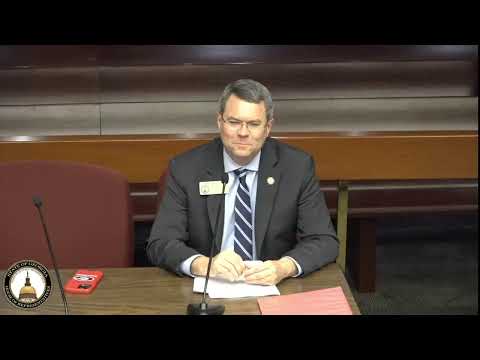
Chairman Lumsden presented House Bill 12-63 to the House Insurance Committee on Friday, saying the Department of Insurance bill would cap the statutory window for insurers to amend prior-year premium-tax filings at three years. Lumsden said the change is meant to align premium-tax amendments with the common three-year amendment window used for individual income tax administration.
"By capping that look back period for 3…
Already have an account? Log in
Subscribe to keep reading
Unlock the rest of this article — and every article on Citizen Portal.
- Unlimited articles
- AI-powered breakdowns of topics, speakers, decisions, and budgets
- Instant alerts when your location has a new meeting
- Follow topics and more locations
- 1,000 AI Insights / month, plus AI Chat