Service providers and survivors tell Baltimore council youth beds and long-term housing are scarce
Loading...
Summary
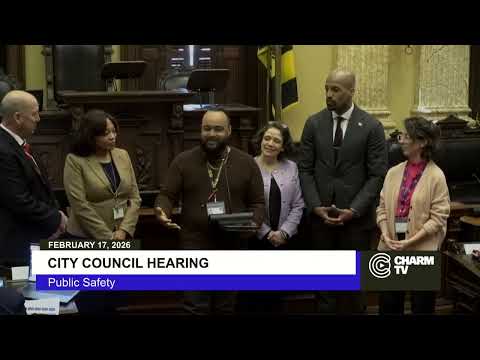
Providers at a Baltimore City Council hearing described limited dedicated shelter and transitional housing for trafficking survivors — Turnaround runs an 8-bed youth home and Loving Arms cited 5 beds per gender — and urged more funding, trauma-informed responses and creative placements.
Service providers and survivors told the Baltimore City Council Public Safety committee that shelter, transitional and long-term housing for trafficking survivors — especially children — remain inadequate even as the city expands outreach and training.
Amanda Rodriguez, CEO of Turnaround, said her organization operates emergency hotel placements, a 24/7 helpline and "the first residential, the only residential, dedicated home for trafficked children in the entire state" with eight beds. Loving Arms and other community partners described limited capacity: committee discussion identified Loving Homes with five slots for boys and five slots for girls.
Speakers described how scarce beds and gaps in placements force hospitals to hold youth in emergency departments and leave families without options. Monique Smith, a survivor and advocate, urged council members to take training and to press for legislative and operational solutions. Cindy Williams of Loving Arms said Baltimore is "about 10 years behind other states" in systems for unaccompanied minors and pressed the council for earmarked funds for providers.
Providers urged creative case-by-case solutions when statutory placements are not safe for youth and asked the council to support multidisciplinary approaches that prioritize safety, housing and services rather than punitive responses. Council members and collaborative leaders acknowledged the shortages and asked agencies to propose concrete solutions and follow-up actions.
The hearing included multiple public commenters who reinforced calls for more beds, better coordination and legislative attention to elder-benefits exploitation as part of a broader trafficking response.