Get Full Government Meeting Transcripts, Videos, & Alerts Forever!
Get email alerts on the Park Lease topic
No spam. Unsubscribe anytime.
Tonawanda council approves three-year lease for seasonal restaurant at Niwanda Park
Summary
The council authorized a three-year lease with Spano Enterprises LLC for a seasonal food operation at Niwanda Park after public questions about restrooms, insurance and operations; the lease requires a certificate of insurance and allows the city to terminate after year one if issues arise.
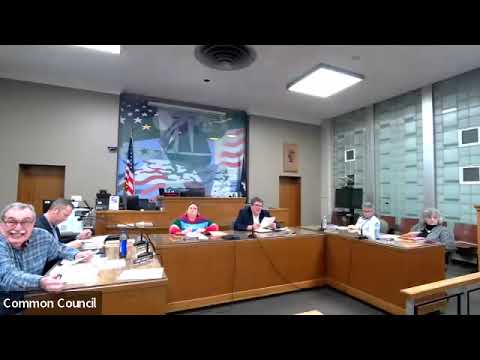
The Tonawanda Common Council on Tuesday voted to authorize a three-year lease allowing Spano Enterprises LLC to operate a seasonal restaurant in Niwanda Park, a decision that drew questions from residents about public convenience, permitting and oversight.
Resolution 4 authorizes a lease running April 1, 2026, through March 31, 2029, with rent set at $11,000 for the first year, $11,500 for the second and $12,000 for the third year, inclusive of water and electricity. The lease, as adopted, requires Spano to provide a certificate of insurance naming the city as an additional insured with limits identified in the resolution and to accept a hold-harmless clause. The council also specified a maximum operating hour of 10 p.m. for the business.
Several residents asked whether the operator is a food truck or a trailer and whether nearby businesses were consulted. Paul Simon, a resident who spoke during public comment, said he wanted clarity about responsibilities for water-line repairs and how the business would affect nearby establishments. City staff and the city attorney said the lease requires all applicable health permits and a certificate of insurance before the lessee takes possession; the mayor and city attorney said they will not execute the lease without those documents in place.
Council supporters said the seasonal restaurant could boost foot traffic and sales tax revenue and be a catalyst for further development along the bike path. Opponents urged caution, asking for clear accountability on insurance, restroom access and the ability to opt out if the operation proves disruptive. The final motion to adopt Resolution 4 passed on roll call.
What it means: The city has authorized a formal lease that sets baseline financial and insurance protections and includes a 30-day opt-out clause after the first year; operational details such as permitting, health inspections and the timing of certificate filings remain preconditions to taking possession.
What’s next: Staff will require the certificate of insurance and confirm any required health permits before the operator begins service. The council noted it can revisit terms if issues arise during the first year under the opt-out provision in the lease.