
Senate Agriculture committee debates limits on siting electric generation on prime farmland
Get AI-powered insights, summaries, and transcripts
Subscribe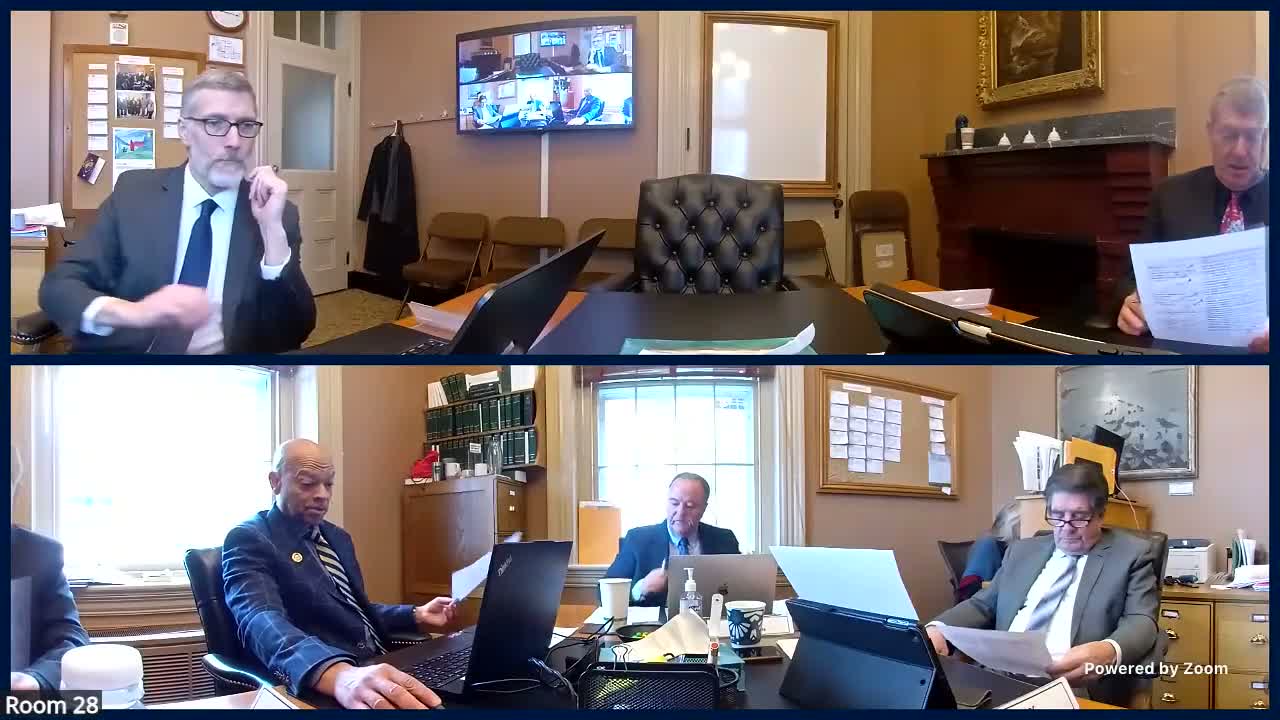
Summary
Members debated language in section 10 that would curb utility-scale electric generation on prime agricultural soils, discussed soil-class definitions and a possible 5-acre public-good threshold, and agreed to consult the Agency of Agriculture and ANR before proceeding.
Members of the Senate Agriculture Committee spent much of the session discussing section 10 of a miscellaneous agriculture bill, which would affect siting of electric generation facilities on agricultural soils. Chair (S1) framed the discussion by saying the committee supports renewable energy but must also "keep people off of prime ag land."
The debate centered on how to protect prime agricultural soil while preserving landowner choice. One committee member warned that overly prescriptive language could tell landowners "what you can and cannot do" with their property and suggested alternatives such as land trusts or a right-of-first-refusal for farmers. Another member argued the draft looked "exclusionary to solar fields" and questioned why the bill would single out one industry, raising the possibility of legal challenge.
Members also discussed technical changes: redefining "primary agricultural soil" and creating categories for "secondary" and "local importance" soils to guide siting decisions, and whether a proposed five-acre "public good" threshold was appropriate. Several members said parts of the proposal may exceed the committee's remit and requested clarifications from drafters and stakeholders.
To bring agricultural expertise into the review, the committee agreed to contact the Agency of Agriculture and involve ANR and the Public Utility Commission in deliberations. As Chair (S1) put it, adding the agency "would solve a lot of our problems" by providing subject-matter input. Committee members said they would follow up with the agency and revisit section 10 after receiving its feedback.
The committee did not take a formal vote on section 10 during this meeting; members set consultation with relevant agencies and stakeholder follow-up as the next steps.