
District Audit Shows No Findings; Officials Outline Budget Pressures
Get AI-powered insights, summaries, and transcripts
Sign Up Free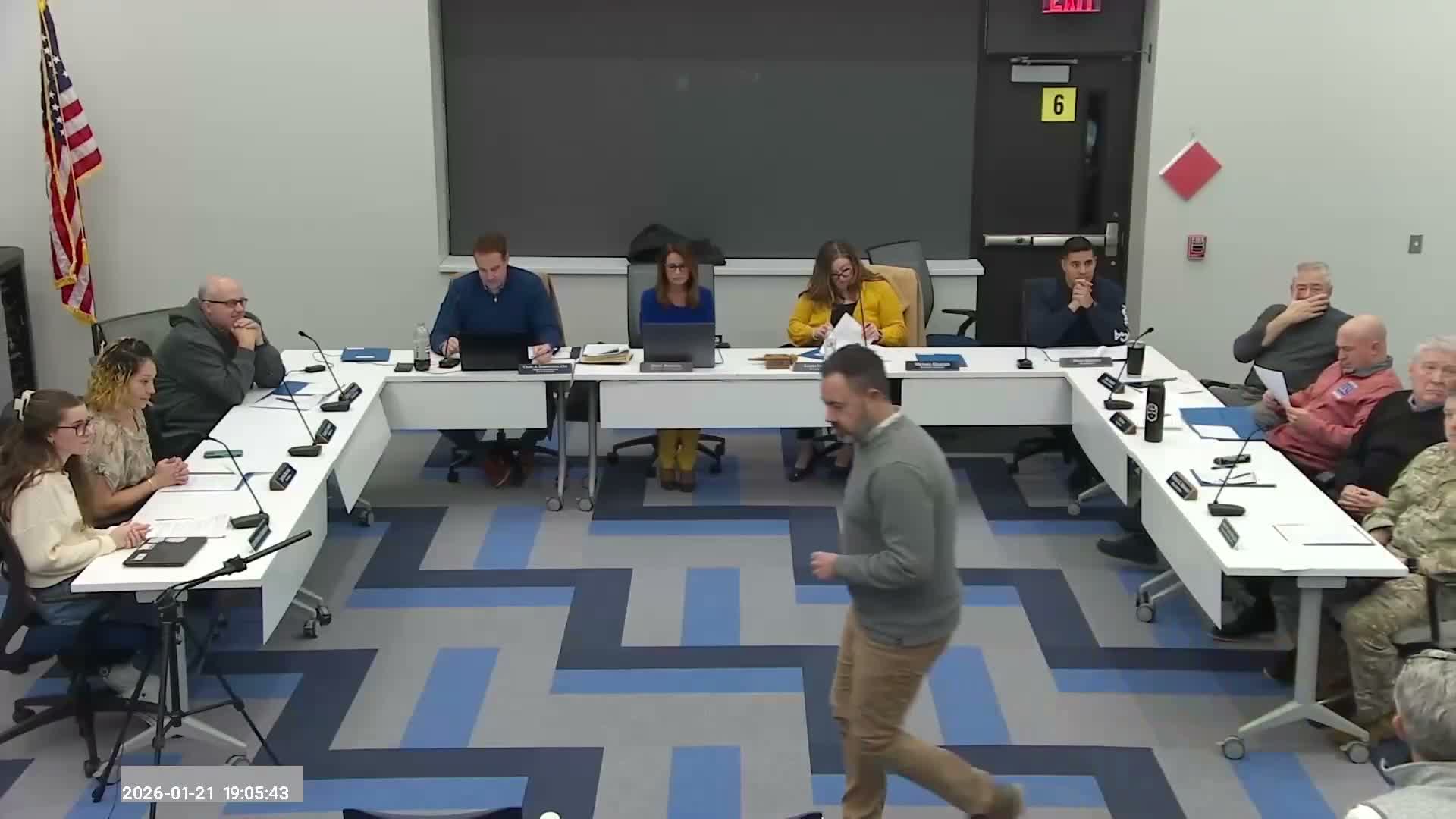
Summary
Officials reported an unmodified audit opinion with no findings and presented district finances: enterprise funds down modestly, general fund balance reduced roughly $1.4 million from last year, and rising costs attributed to health benefits, transportation and tuition.
District officials told the Manchester Township School Board that the external audit produced an unmodified opinion and that there were no audit findings for the year.
A district presenter highlighted enterprise-fund balances: food service ended about $1,200,000 and a second enterprise fund (referred to in the transcript as "RDX") ended about $1,800,000, both roughly $100,000 lower than the previous year. The presenter said the general fund balance was about $33,600,000, a decrease of roughly $1.4 million driven largely by rising expenditures for health benefits, transportation and tuition. The presenter noted that some maintenance and capital-reserve funds (about $1,000,000 collectively) were used for projects such as work at Ridgeway.
"We have a good relationship" with the finance team and "we do not have any findings at all," the presenter said, praising the district's finance staff for timely work. The presenter also described receipt of a state financial framework award for meeting certain criteria.
An external auditor summarized the audit process, explaining that the audit typically spans one to two months and includes testing of internal controls (cash disbursements/receipts, payroll and benefits), verification of financial statements, and targeted reviews such as student-activity funds, food-service contracts and regional tuition. The auditor said the work includes compliance testing that affects state aid and, when required, a single audit focused on grant-related controls.
The presenters cautioned that cost pressures remain: health benefits rose (the transcript cites a move from roughly $9.2 million to $10.2 million for a health line) and other recurring cost lines are continuing to increase since the end of COVID-era grants. The presenters described the district—s fiscal management approach as conservative, with some use of reserves to cover capital or maintenance needs.
No formal vote or budget adoption was included in the provided transcript segment; the discussion was a report and explanation of the audit and financial statements with an invitation for board questions.