
Committee hears emotional testimony for 'Aaron's Law' requiring child-abuse prevention education in schools
Get AI-powered insights, summaries, and transcripts
Subscribe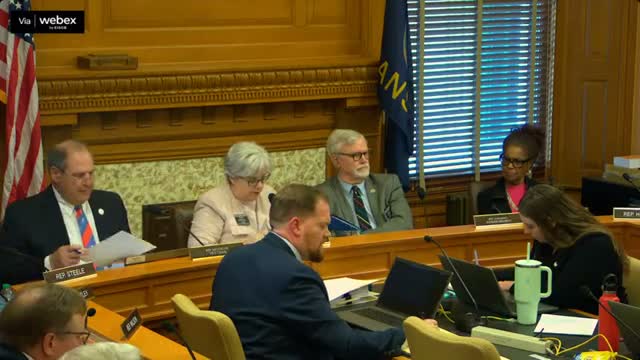
Summary
House Bill 2,576 (Aaron’s Law) drew extensive proponent testimony from survivors, child-advocacy organizations, law enforcement and service providers urging age-appropriate, evidence-based prevention education and adult training; the committee heard recommendations on accreditation, trauma-informed training and funding but did not vote on the bill during this session.
The Committee on Education held a lengthy public hearing on House Bill 2,576, known as Aaron's Law, which would require school districts to provide annual training for educators and age-appropriate child-abuse and assault awareness and prevention instruction for students in kindergarten through 12th grade, with a parental opt-out.
Revisor Long summarized the bill as requiring districts to provide educator training on identifying and reporting child abuse, to give age-appropriate instruction to K–12 students on awareness and prevention with an opt-out for parents, and to allow districts to use resources they deem appropriate, including curricula from child advocacy centers or the Aaron's Law Foundation. The reviser said the bill would take effect July 1.
Survivors and service providers gave emotional testimony in support. Kimberly Haxton Gibbs, a survivor, said, "Abuse thrives in silence," and described long-term neurological and psychological impacts from childhood abuse. Several other survivors testified that they kept abuse secret for years and that school-based body-safety education could have helped them disclose earlier. Erin, founder of the Erin's Law Foundation, said her organization provides free K–12 curriculum and materials and noted her curriculum is newly released and in the process of becoming evidence-based and accredited; she emphasized providing a no-cost option to districts facing an unfunded mandate.
Representatives from children's advocacy centers, including Casey Dahlke (Children's Advocacy Centers of Kansas) and Judy Rodman (Sunflower House), supported the bill with recommendations: ensure curricula and presenters are evidence-based and accredited, include training on trauma-informed care and how to handle disclosures, and cover internet-facilitated exploitation. Dahlke and Rodman warned of the risk that untrained presenters can mishandle disclosures (for example, asking leading questions or over-interviewing), which can harm cases and victims.
Law enforcement voice was represented by Detective Eric Kercher, who said prevention and partnership are essential and that many responses arrive too late; several witnesses noted some providers offer training at low or no cost, while others cautioned that statewide implementation could carry additional staff time and resource costs not captured in current grants.
The committee moved through the proponent list but did not take final action during the hearing. The chair emphasized survivors' courage in testifying and closed the hearing after committee time ran over; remaining committee business was deferred to the next meeting.
Next steps: The bill awaits further committee consideration and potential amendments addressing curriculum standards, training requirements for instructors, accreditation expectations and funding support for districts. Advocates urged the committee to add explicit language on accredited, evidence-based curricula and training for adults who will present the material.