
Committee weighs H.205 limits on noncompetes while stakeholders seek clarifications
Get AI-powered insights, summaries, and transcripts
Sign Up Free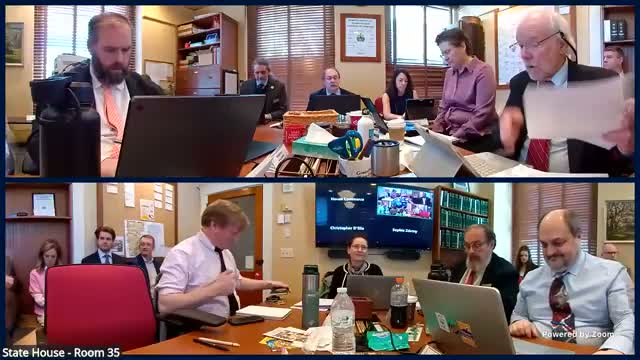
Summary
The House Commerce & Economic Development committee reviewed H.205 on Feb. 19, 2026, debating a contested exempt‑employee carveout, a 250% wage threshold and narrower health‑care and stay‑or‑pay definitions as business, health‑care and labor stakeholders testified.
The Beaumont House Committee on Commerce & Economic Development spent much of its Feb. 19 hearing reviewing H.205, a bill that would add provisions to the Fair Employment Practices Act limiting agreements not to compete and regulating stay‑or‑pay repayment clauses.
Sophie Sodany of the Office of Legislative Council walked the panel through draft 4.2, describing two main additions: limits on noncompete agreements and a tightened definition of ‘‘stay‑or‑pay’’ repayment provisions. She said the draft narrows a non‑solicit exception to permit only health‑care providers to notify former patients of a change in practice and proposed an exempt‑employee exception that would allow some noncompetes if they are individually negotiated, reasonable in time and scope and the employee earns at least 250% of the state minimum wage (about $75,000 under current law).
Why it matters: the exempt‑employee carveout and the income threshold were the most disputed parts of the draft. Supporters and employers said targeted protections are needed for executives and employees with deep customer relationships or trade secrets; consumer advocates and labor interests have in other forums argued broad noncompetes restrict mobility for lower‑paid workers.
Business representatives told the committee they can live with much of the draft but pressed for adjustments. Justin McCabe, general counsel at OnLogic, said his company ‘‘use[s] non competes very surgically’’ for executives and key sellers and that the proposed language appears workable. Jake Barton of WCAX warned the committee to account for non‑wage compensation and common industry practices such as moving and signing bonuses when defining the income threshold.
Health‑care stakeholders generally supported the bill’s carveouts. Devon Green of the Vermont Association of Hospitals and Health Systems said hospitals ‘‘do not use’’ noncompetes and welcomed the health‑care‑specific language and the pay‑to‑stay limits, but asked that the committee allow repayment obligations where an employee is terminated during a reasonable probationary period (suggested: up to six months) so hospitals can recoup large upfront hiring costs in limited circumstances.
The Vermont Chamber of Commerce framed the debate with statewide context: ‘‘Vermont ranks last in the nation in economic momentum,’’ Megan Sullivan told the committee, urging care that new regulation be narrowly tailored. Sullivan specifically asked the panel to clarify the draft’s requirement that an employer show an employee’s subsequent employment would ‘‘inherently result in a material risk to the employer’s business,’’ saying the word ‘‘material’’ may be hard to meet without a clearer connection to job responsibility.
Some business groups urged a higher earnings threshold. David Mickenberg recommended raising the draft’s 250% minimum to 300% of the state minimum wage (roughly $90,000) to better reflect local living costs and align Vermont with other states’ approaches.
Committee members debated operational details such as whether the criteria for an exempt‑employee noncompete should remain conjunctive, how to define a reasonable probationary period and what compensation components count toward the earnings test. The committee asked legislative council to incorporate drafting changes discussed in the hearing, including explicit notice and transparency requirements for stay‑or‑pay provisions, and signaled an intent to move bills and continue markup after the floor session without recording a formal roll‑call vote in the transcript.
Next steps: staff were asked to incorporate the committee’s agreed drafting edits and the committee recessed for a short break before continuing markup later in the day.